food and product photography























how does it feel?
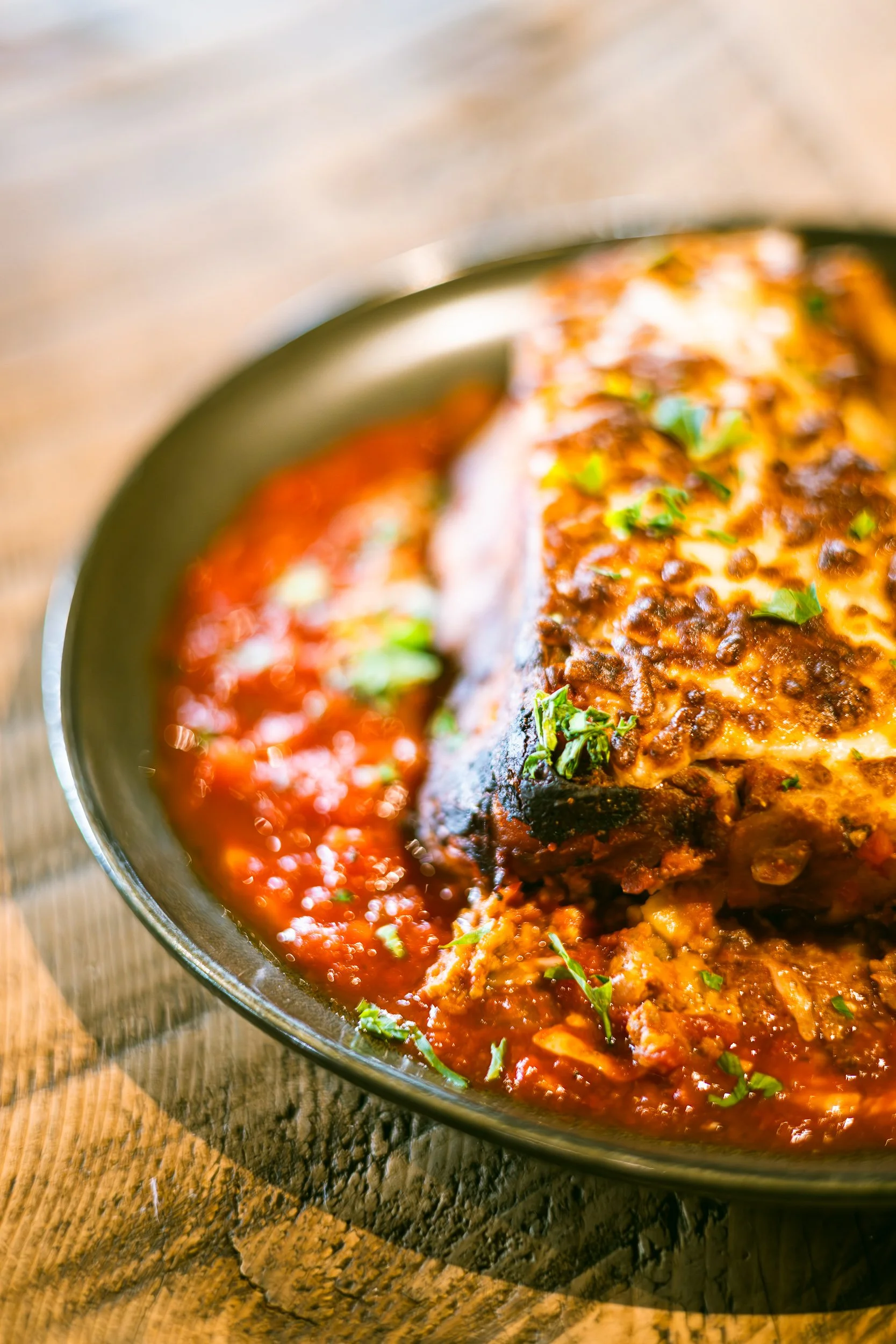
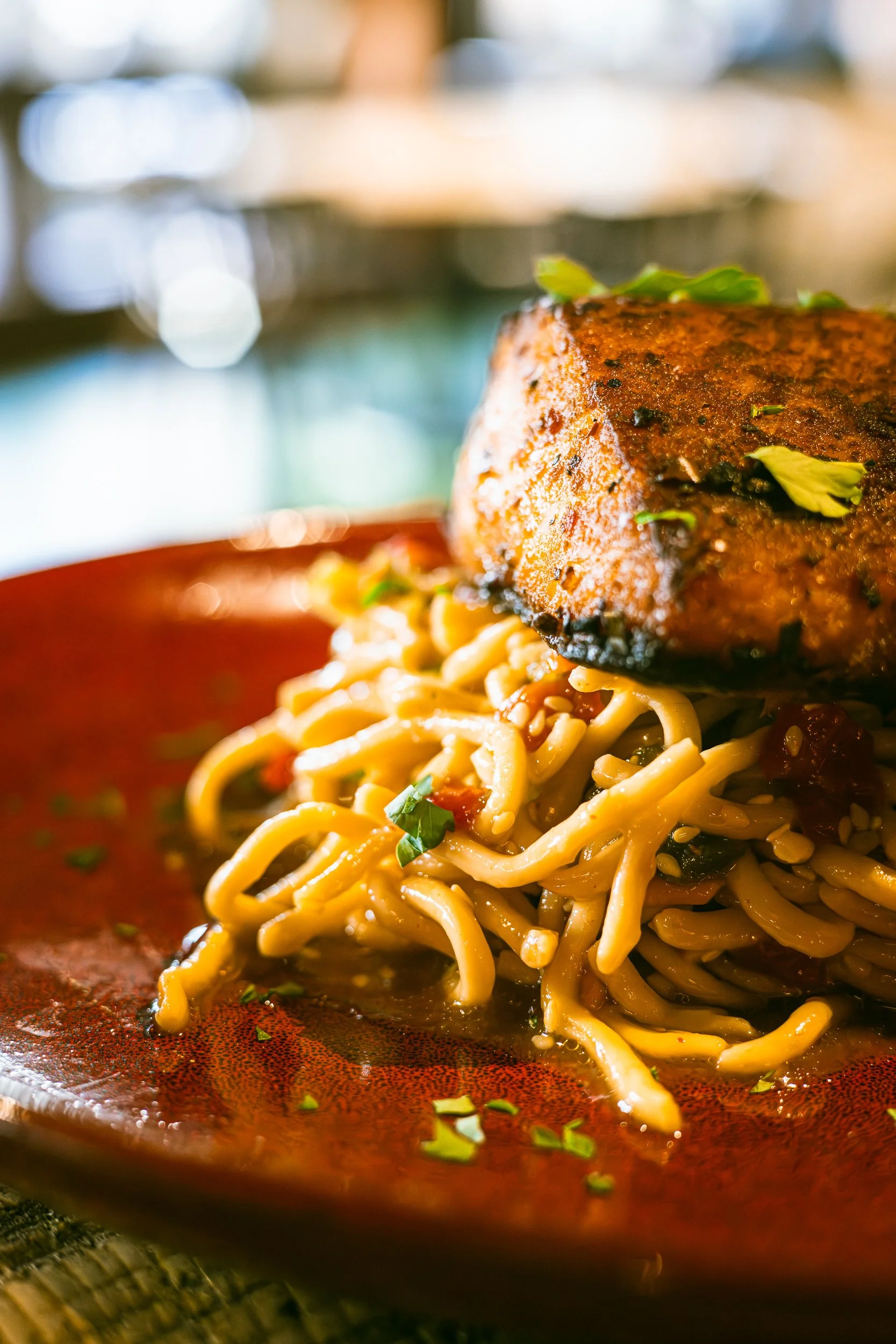
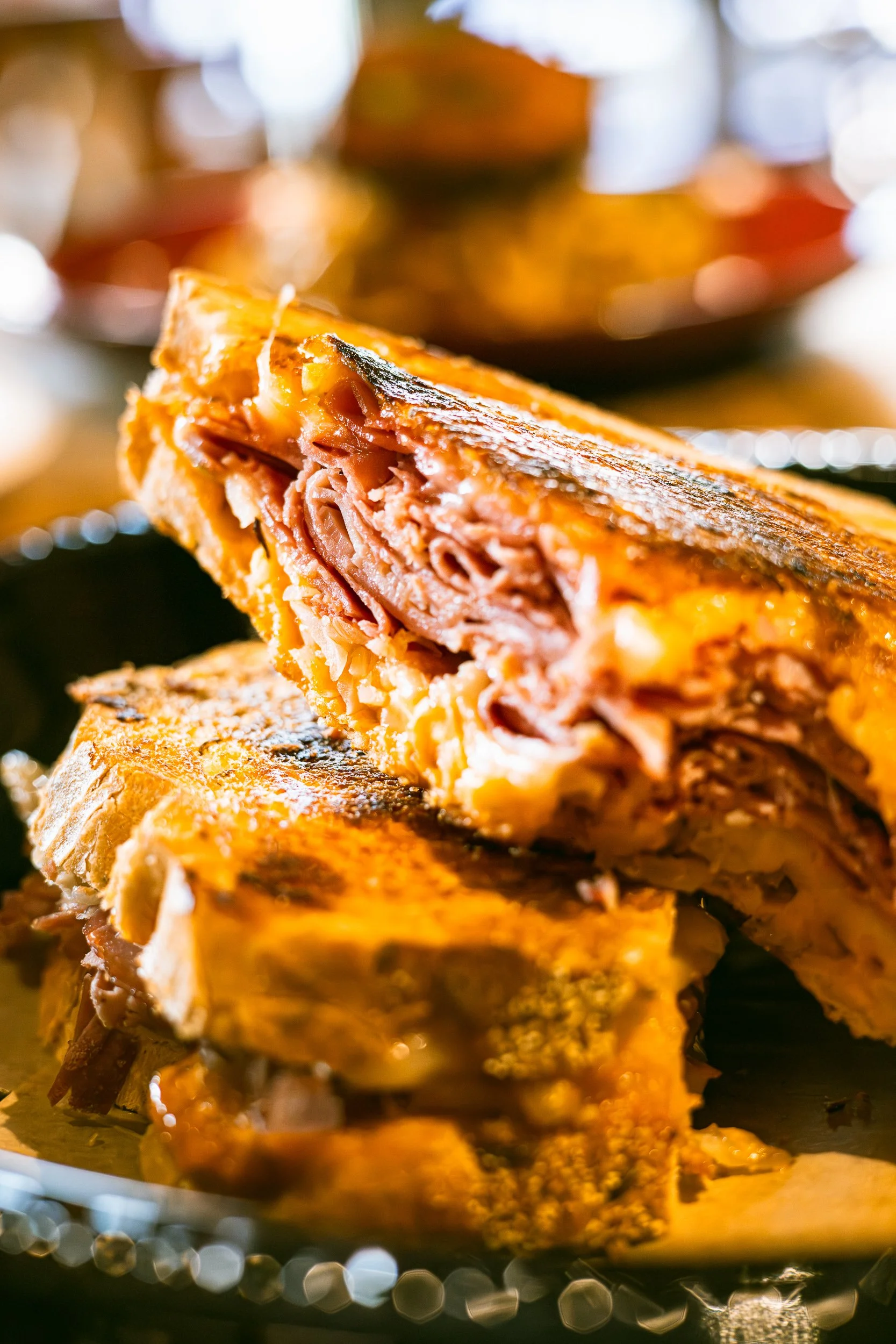
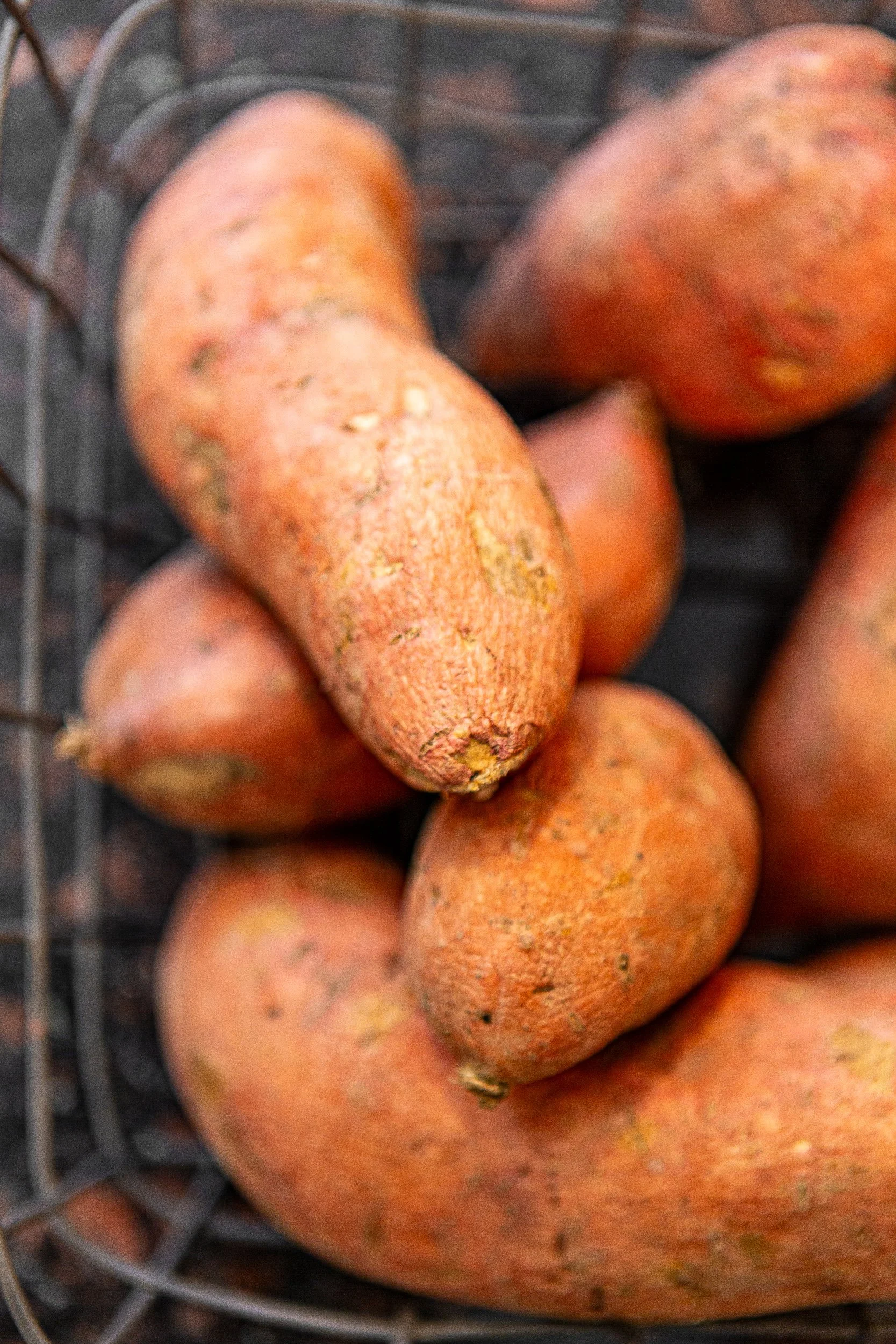
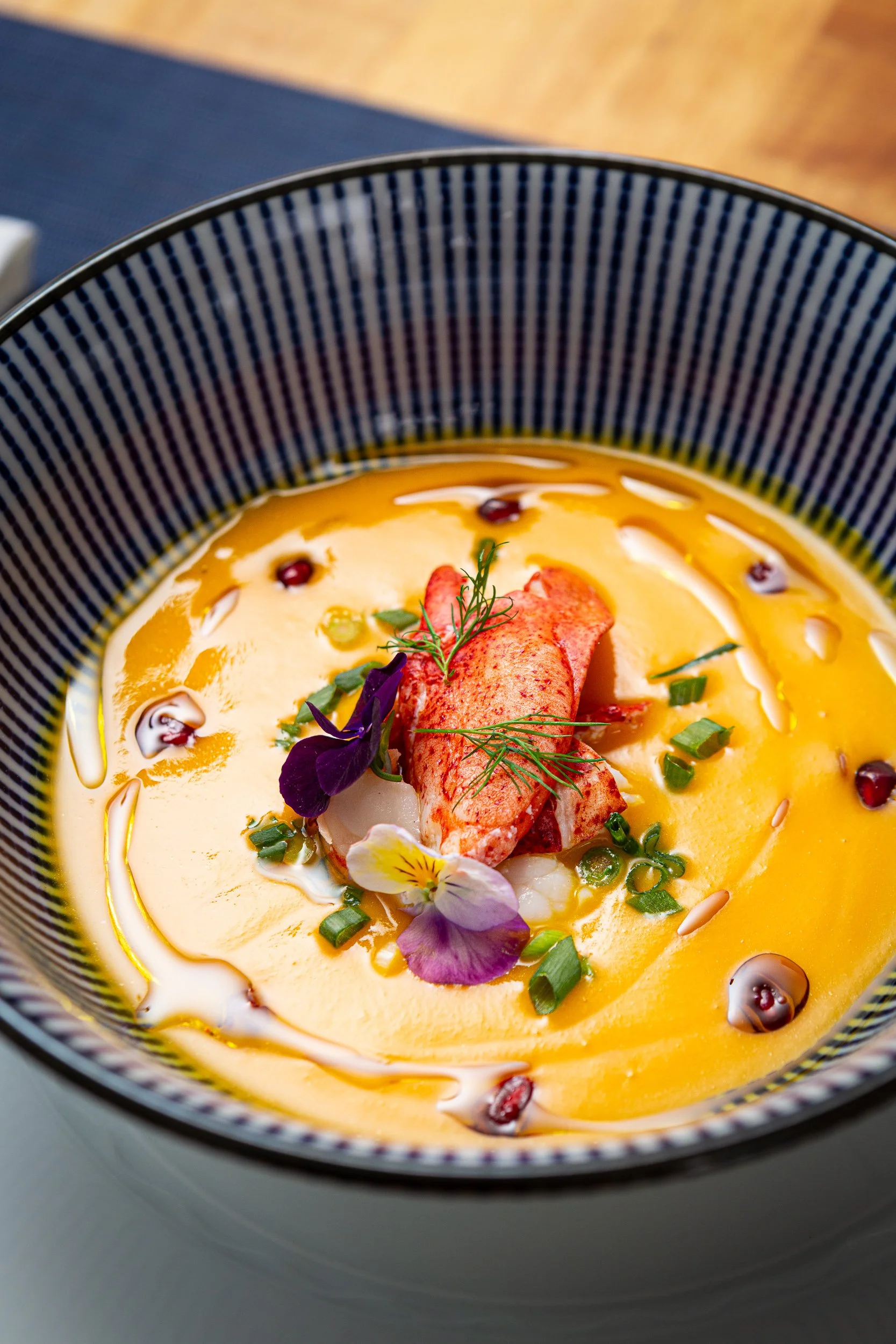
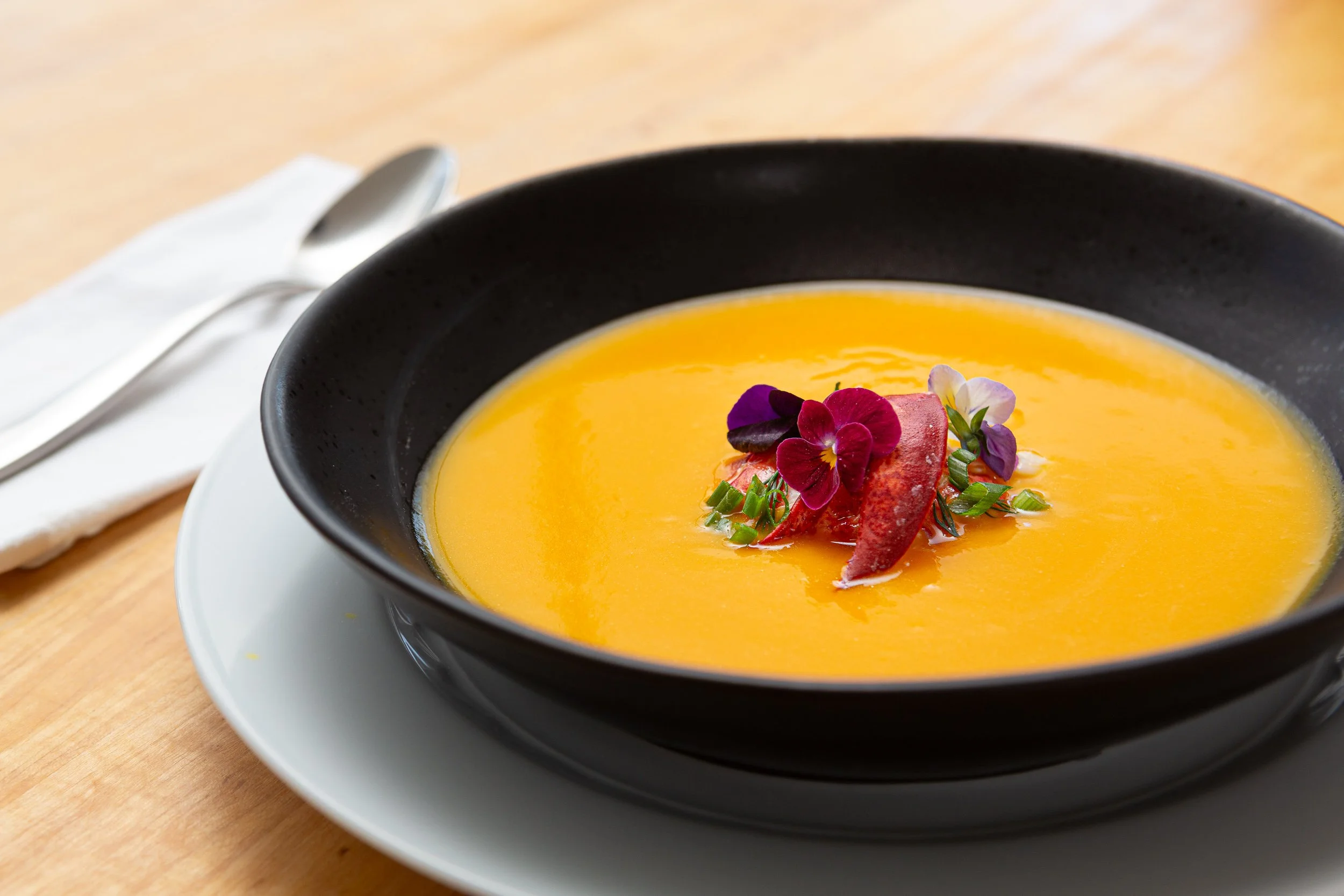
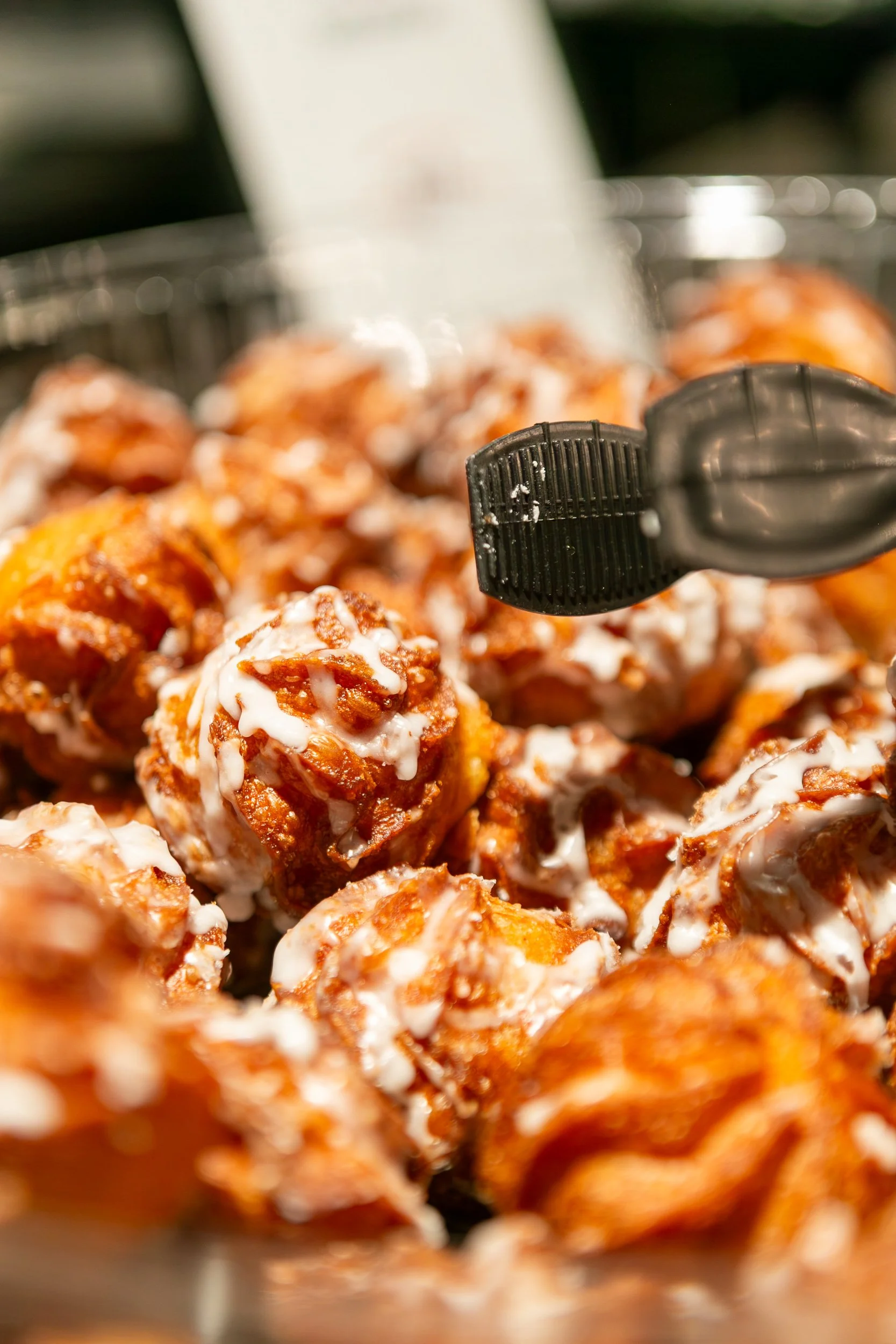
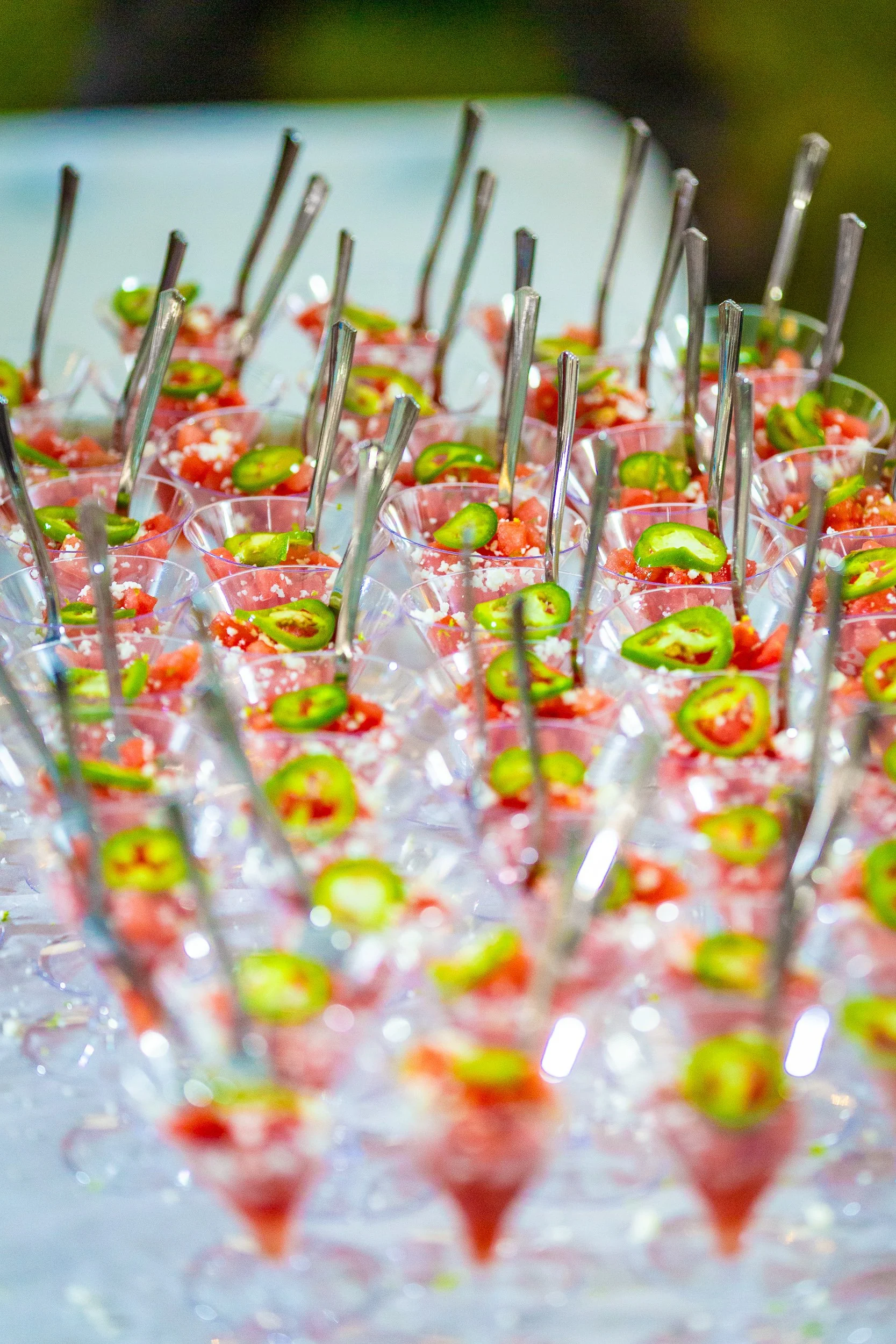
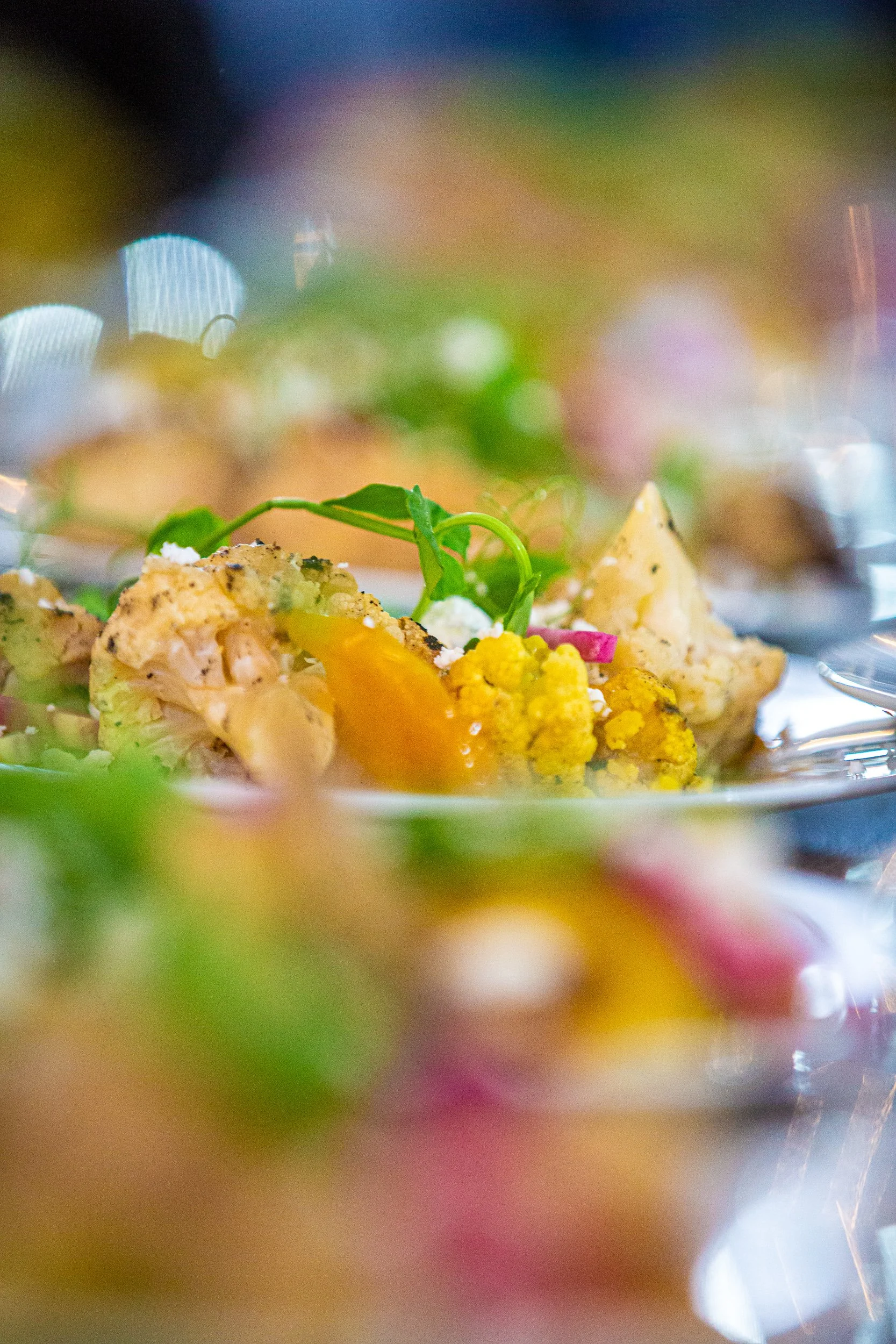
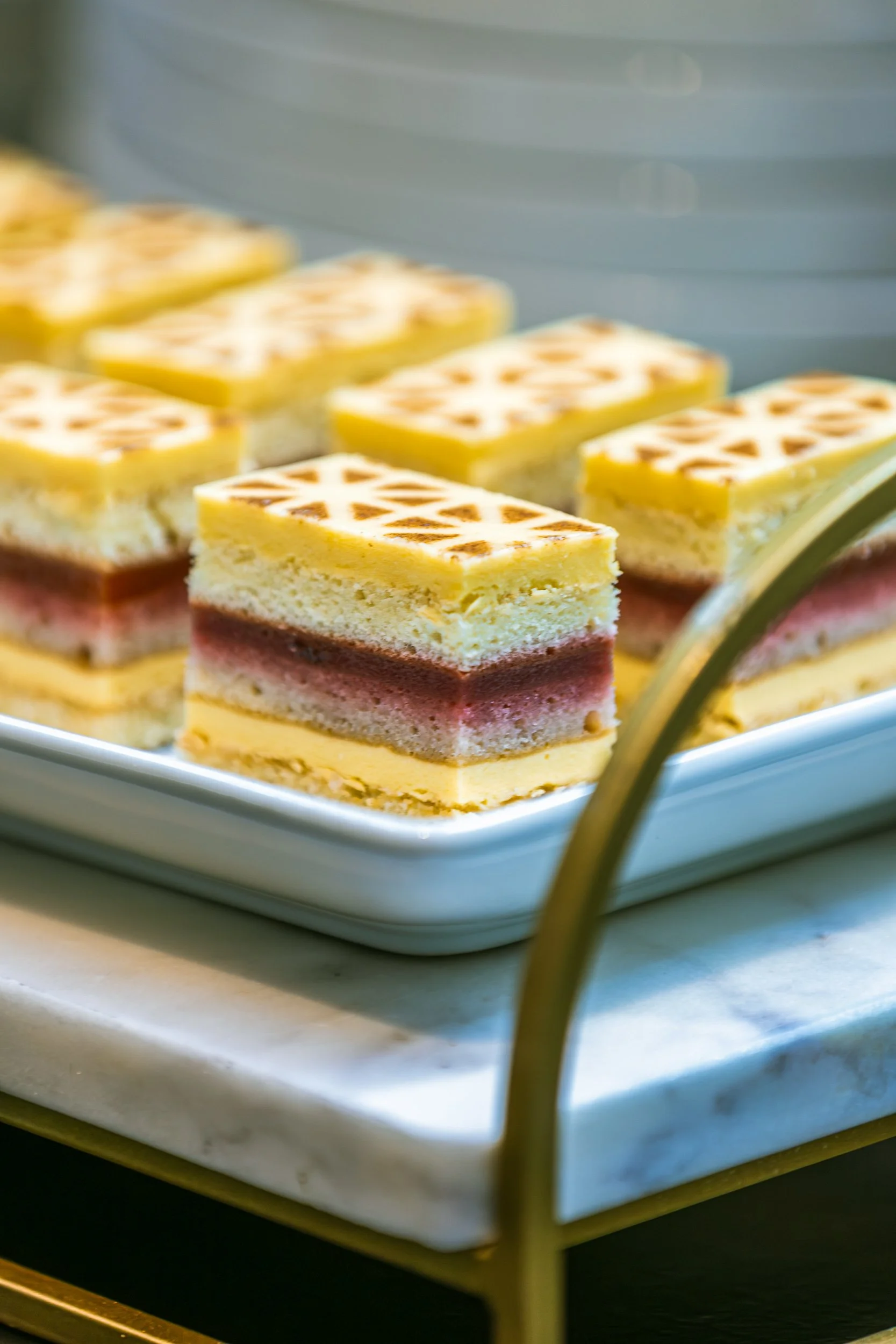
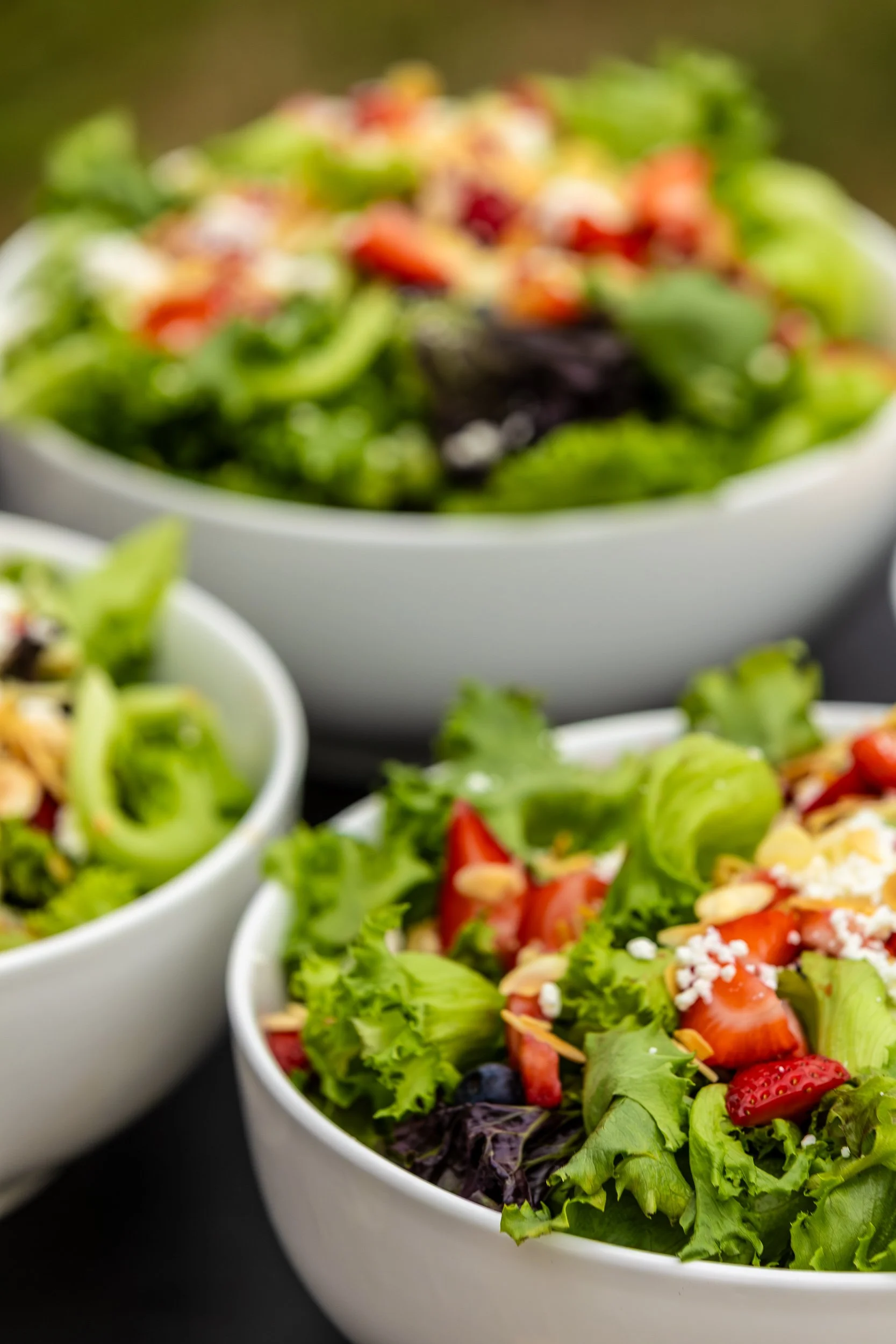
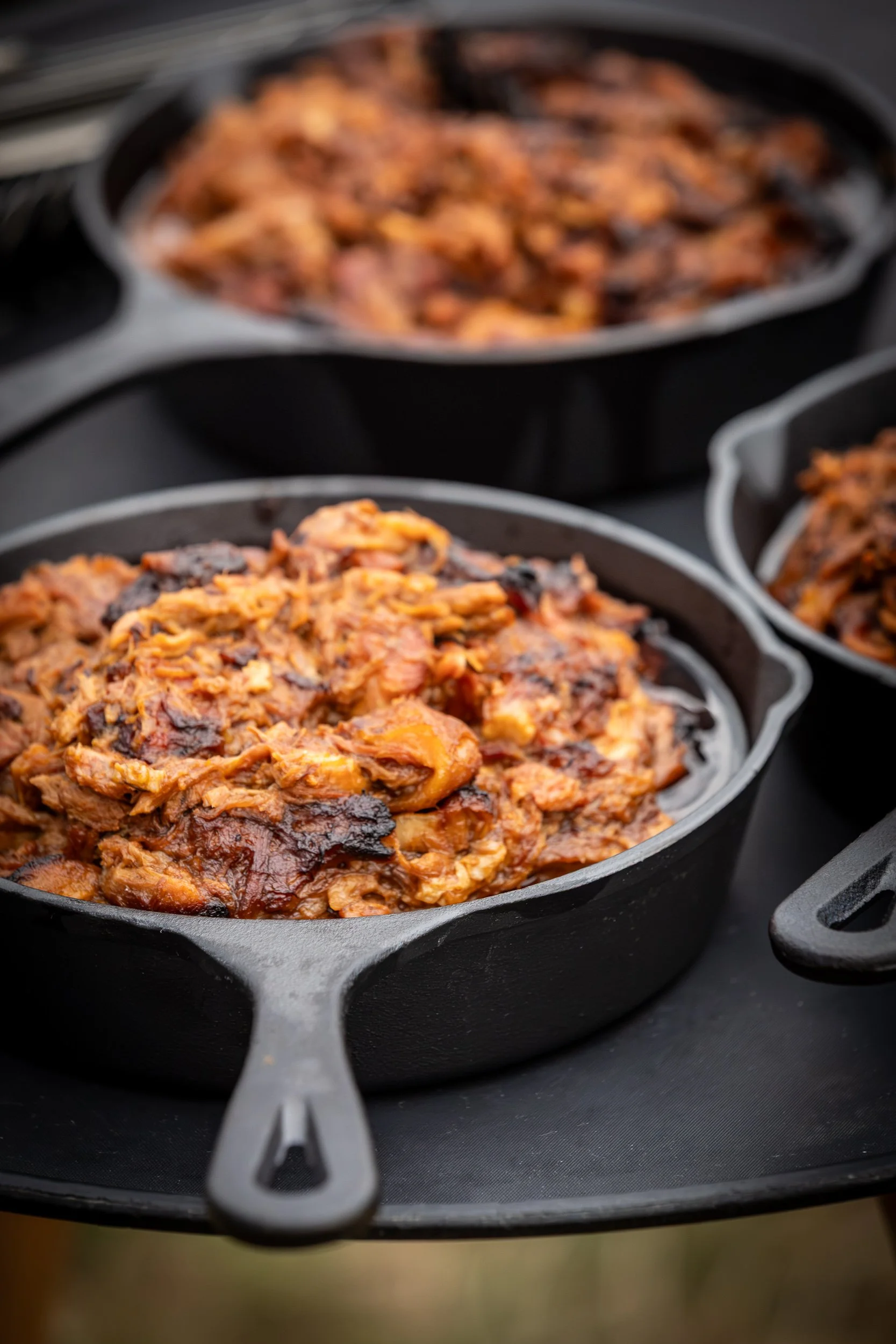
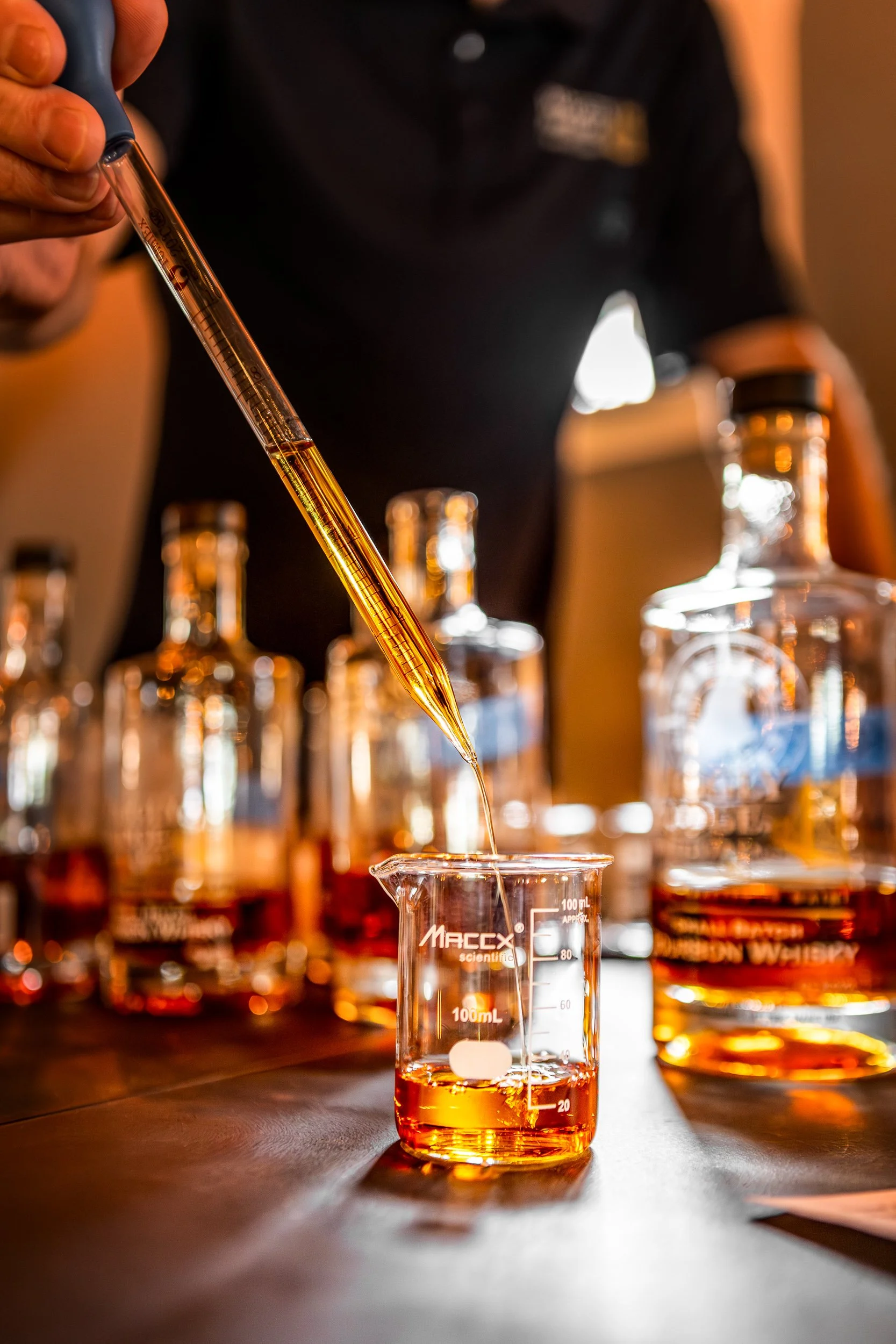
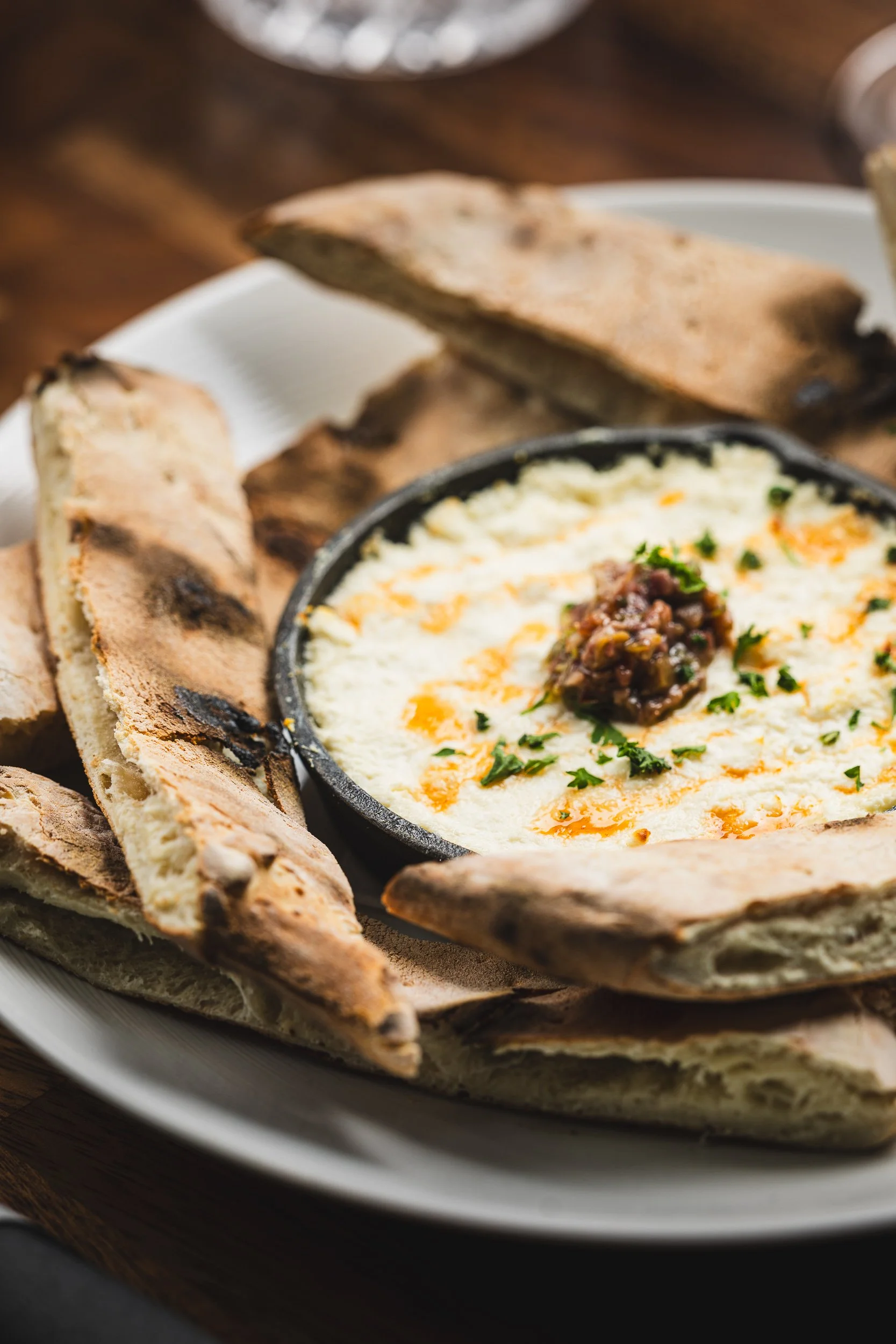
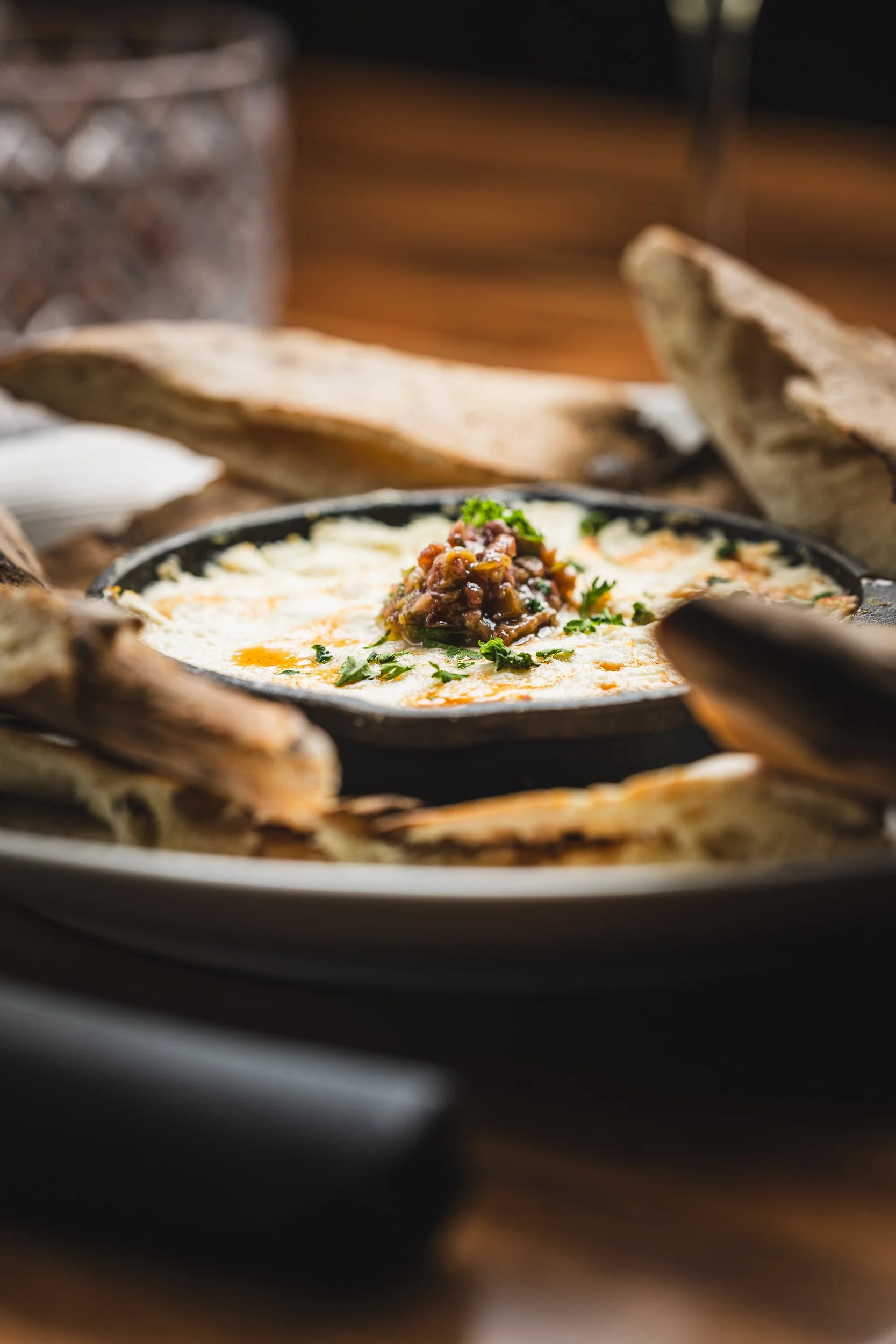
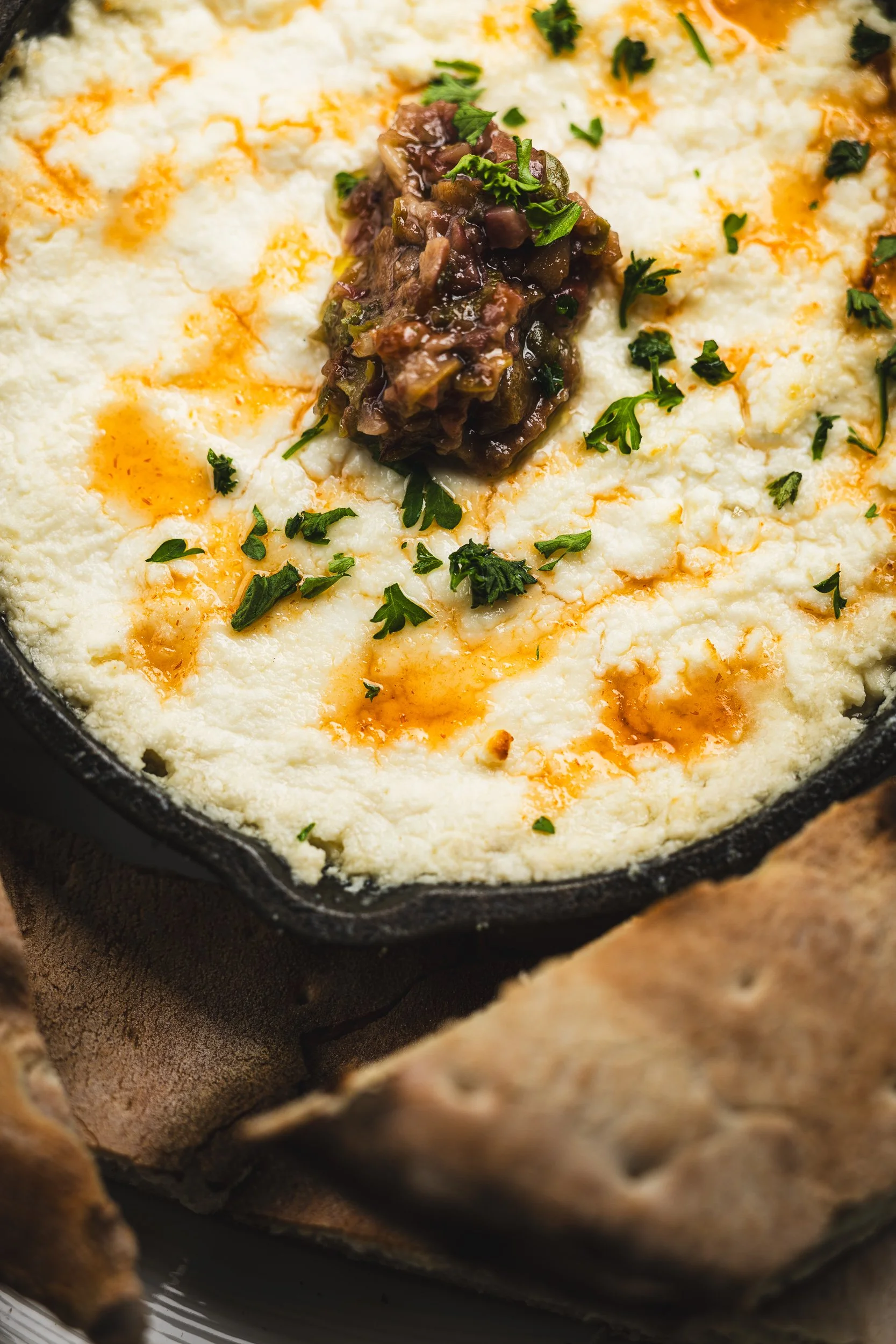
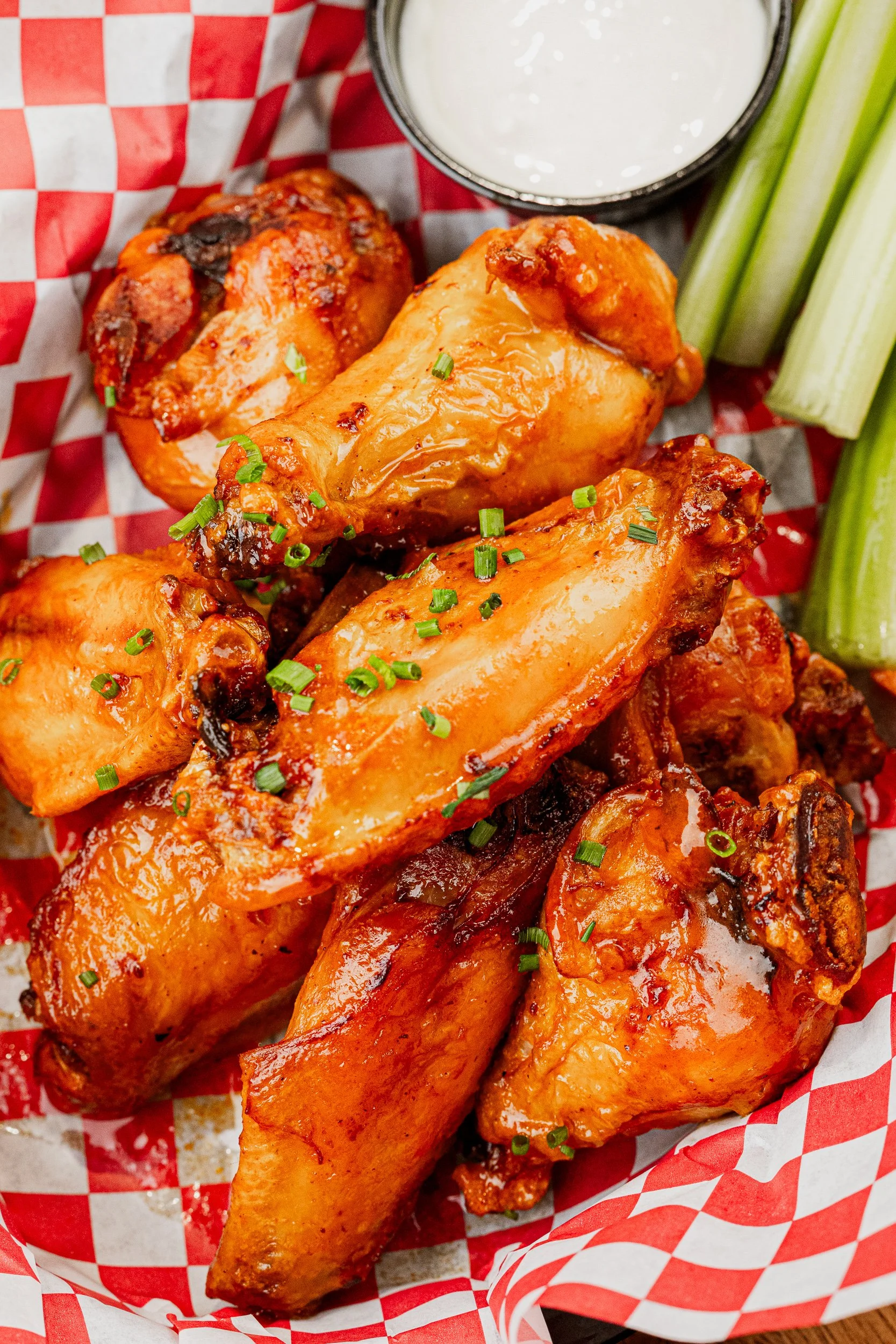
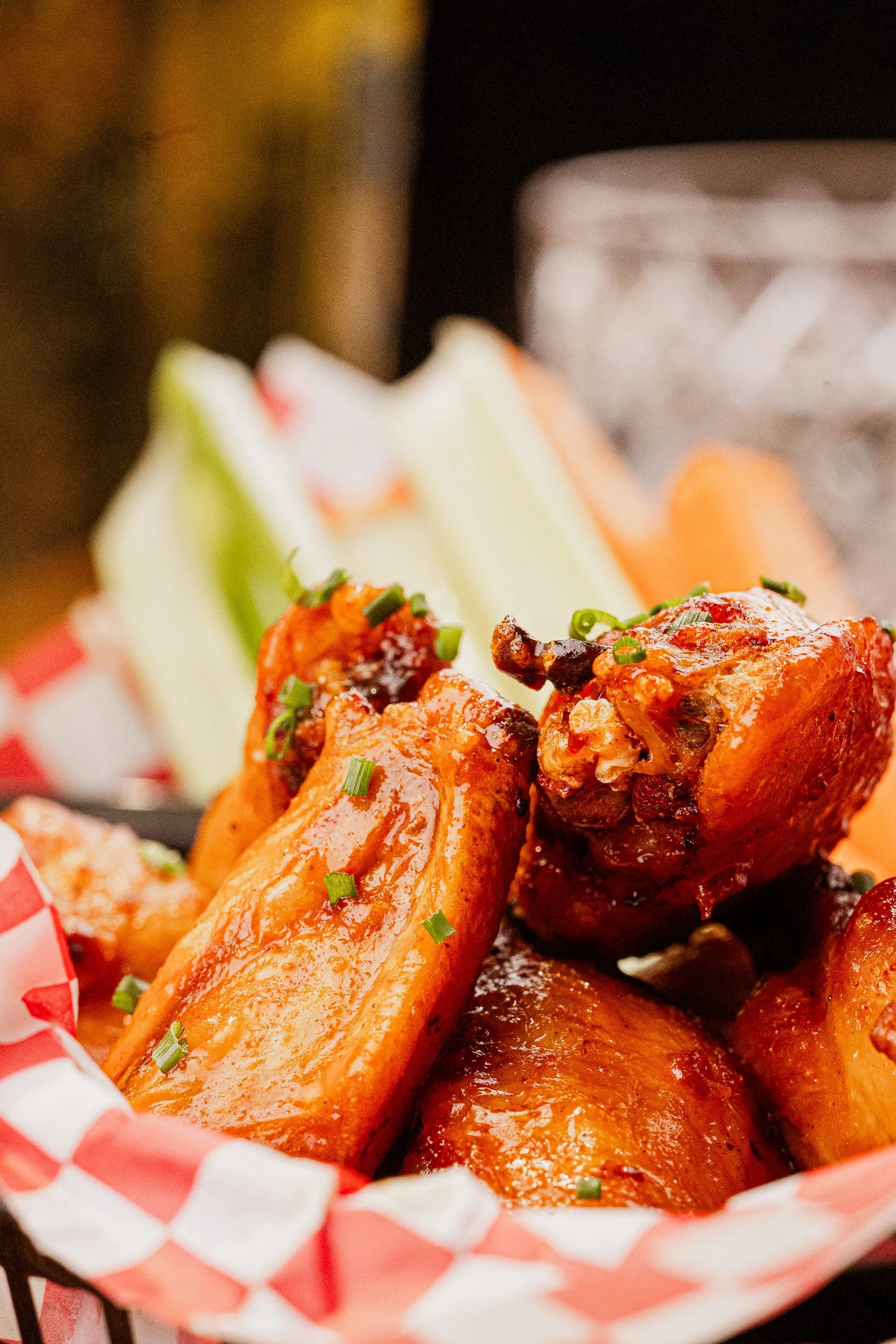
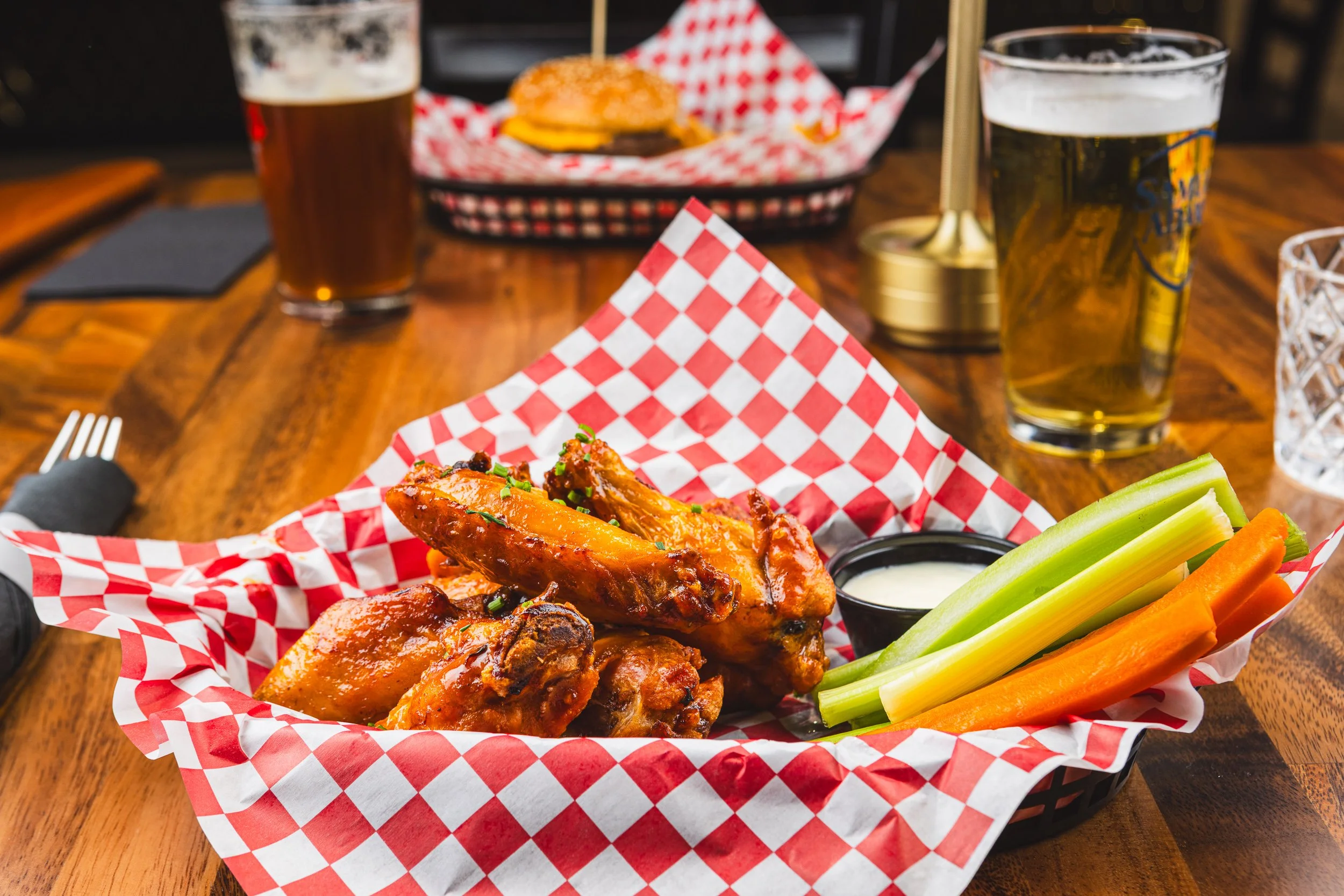
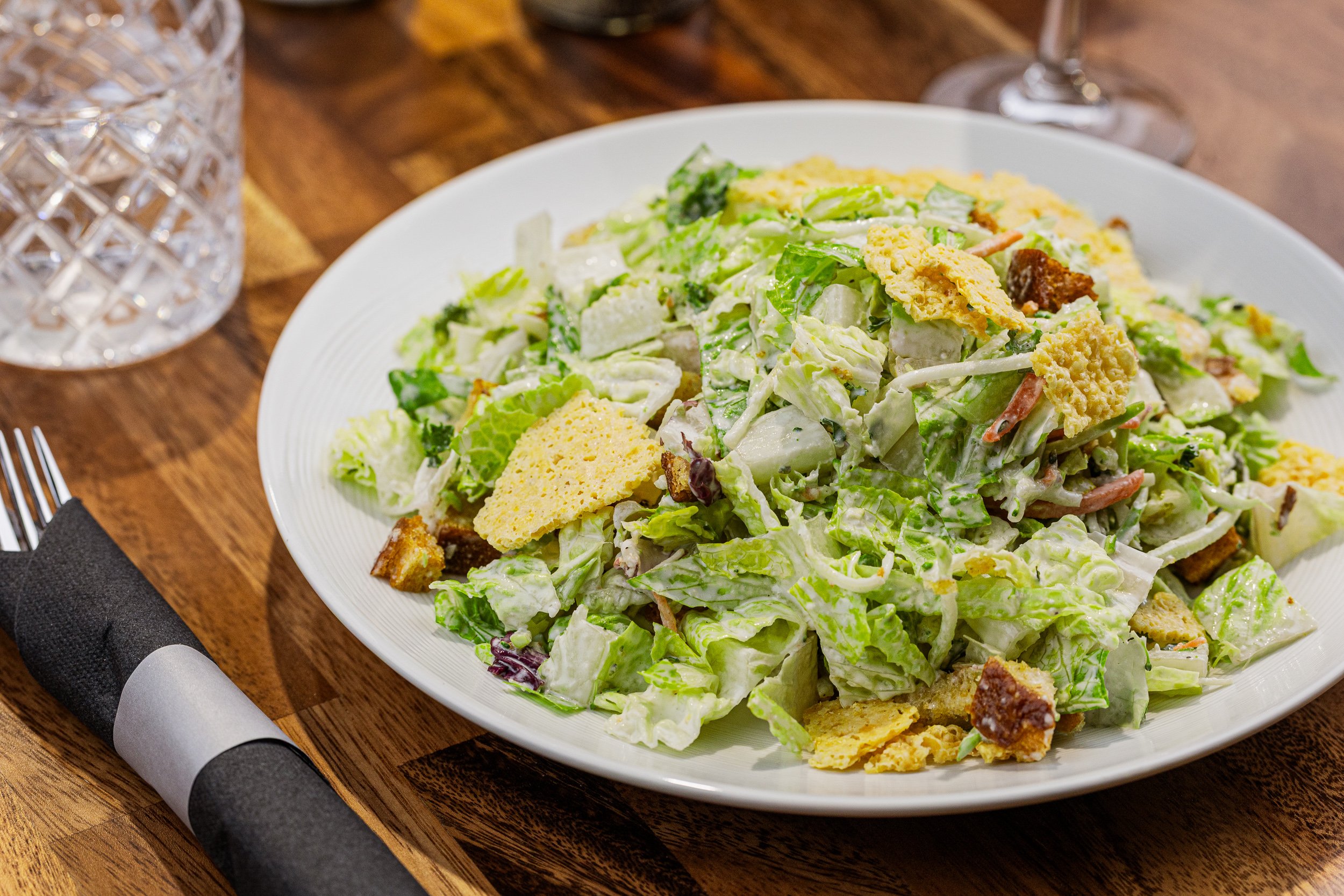
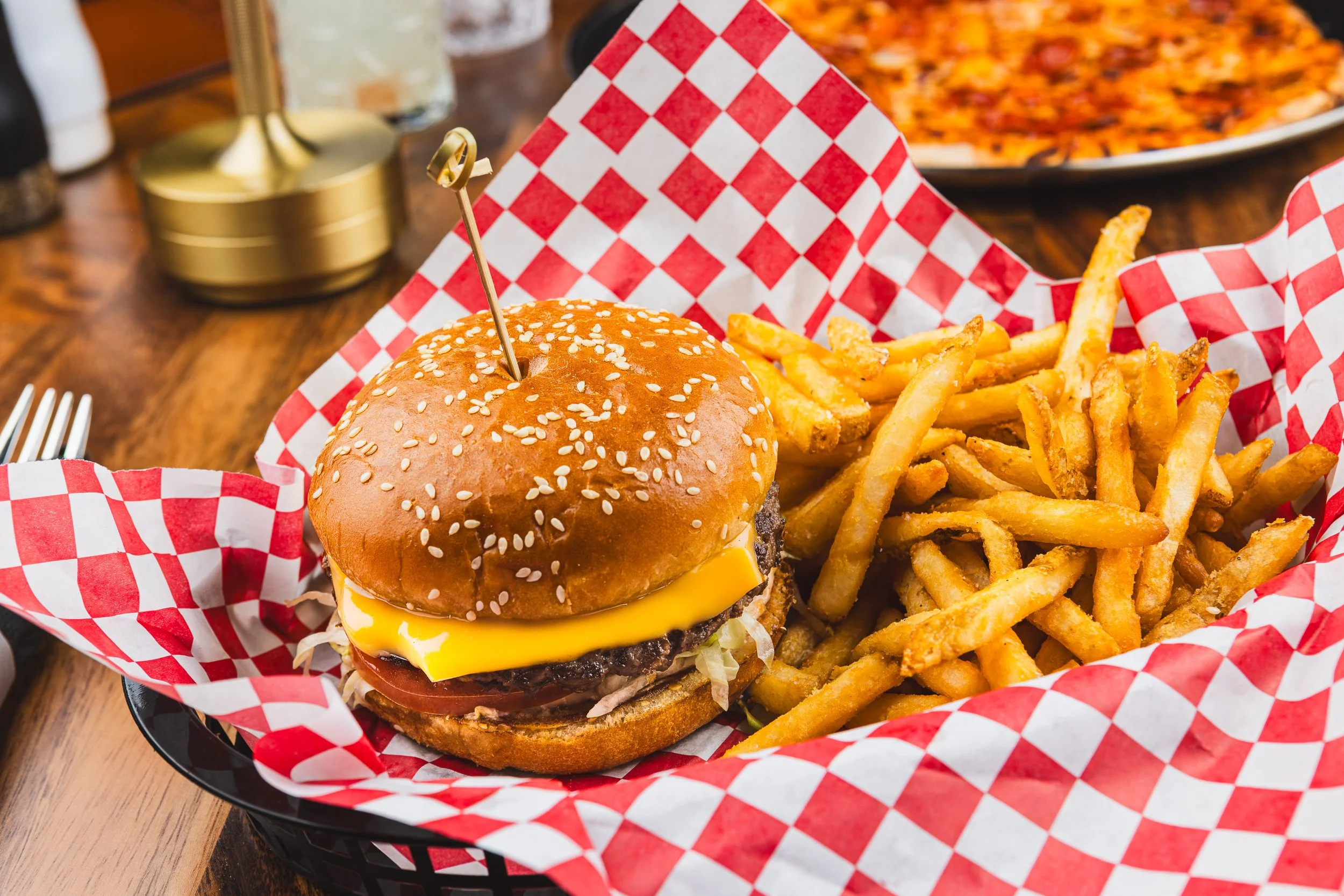
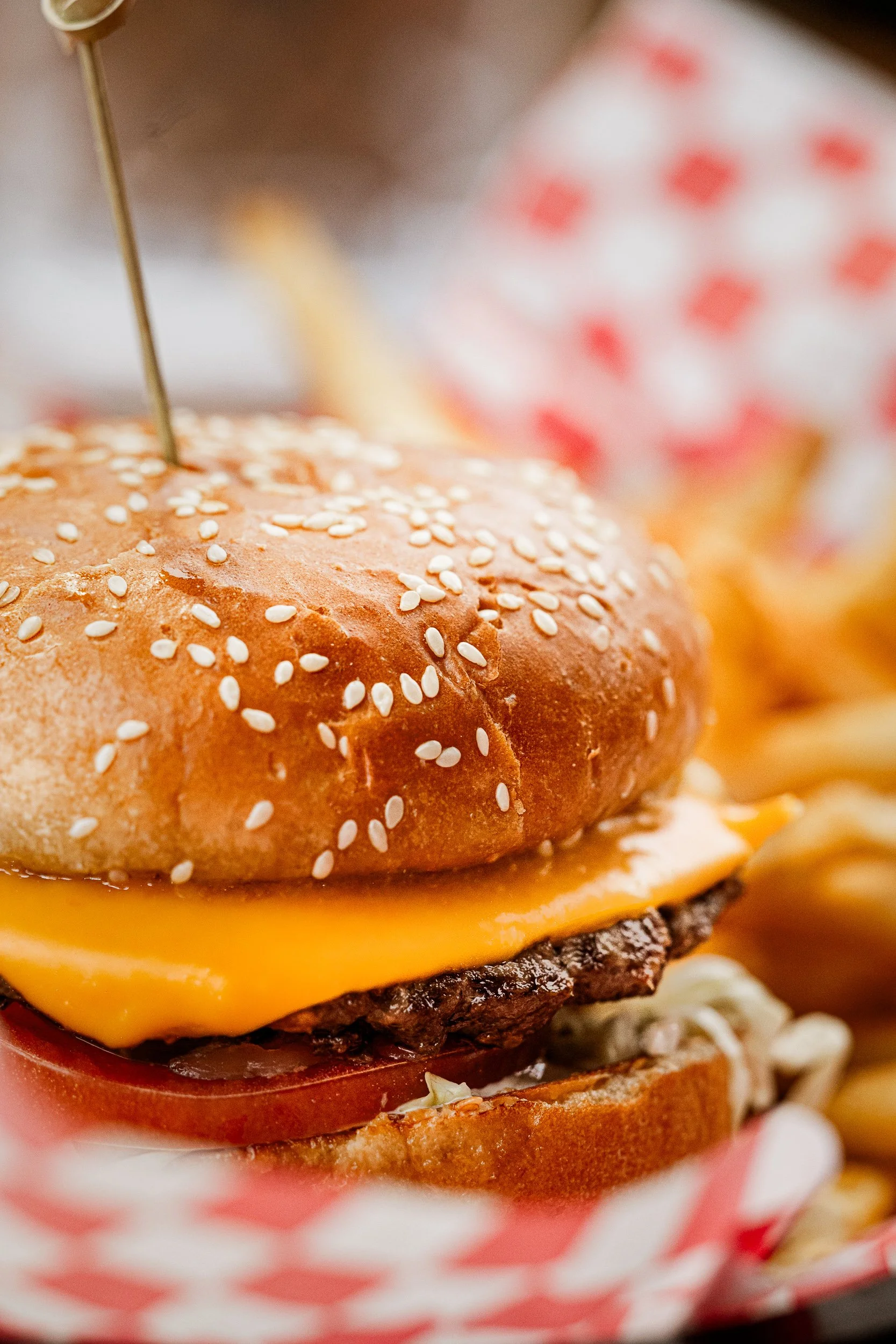
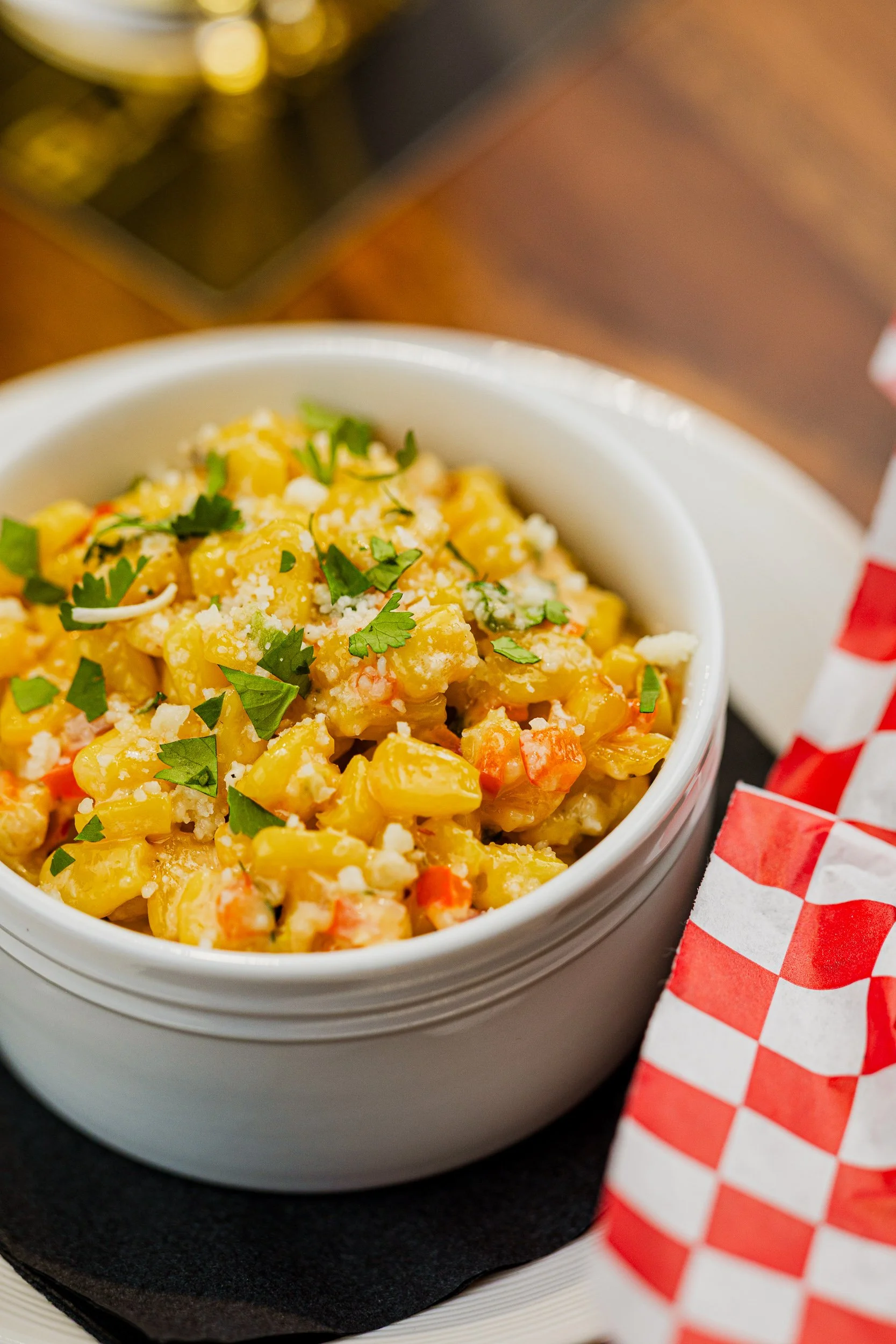
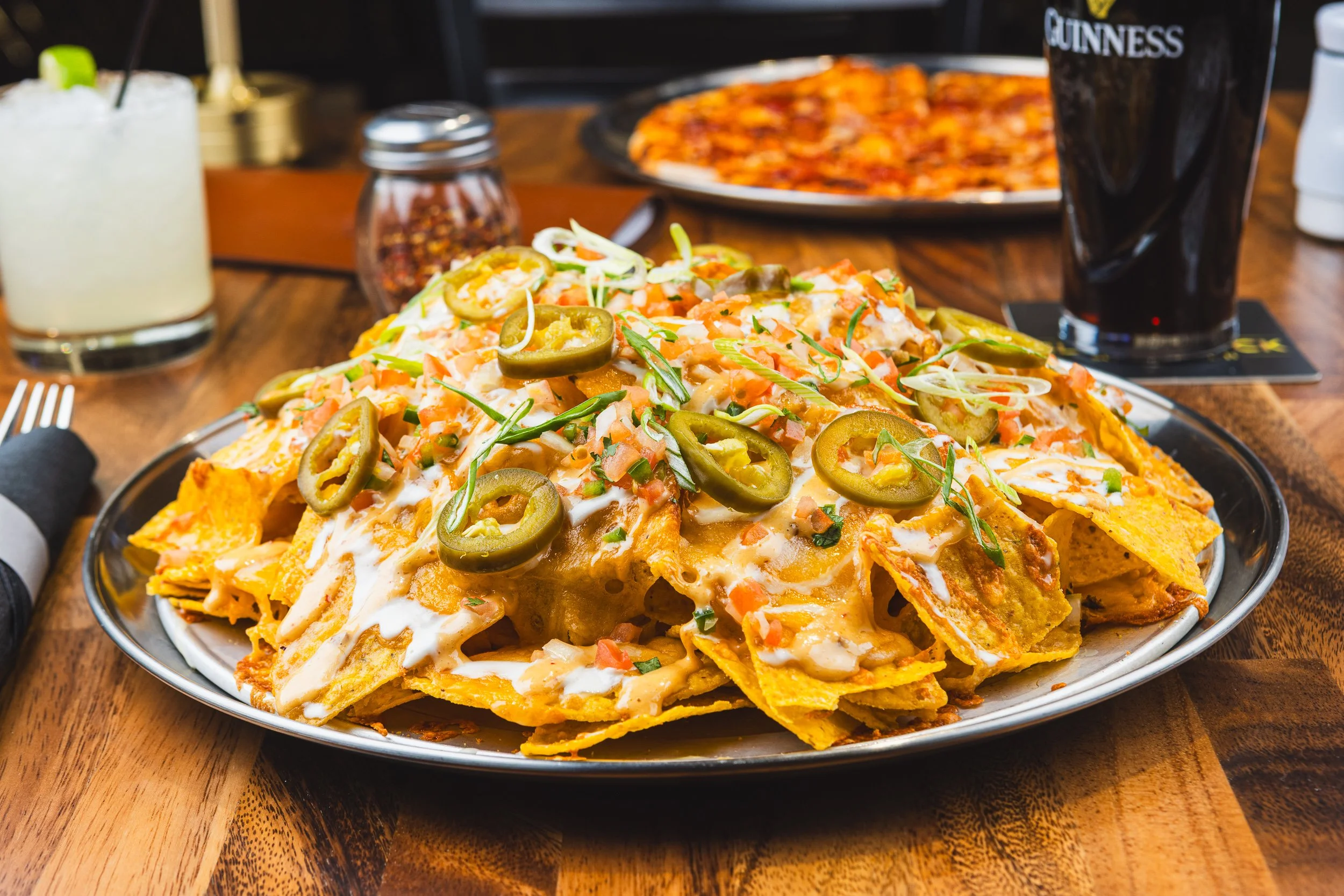
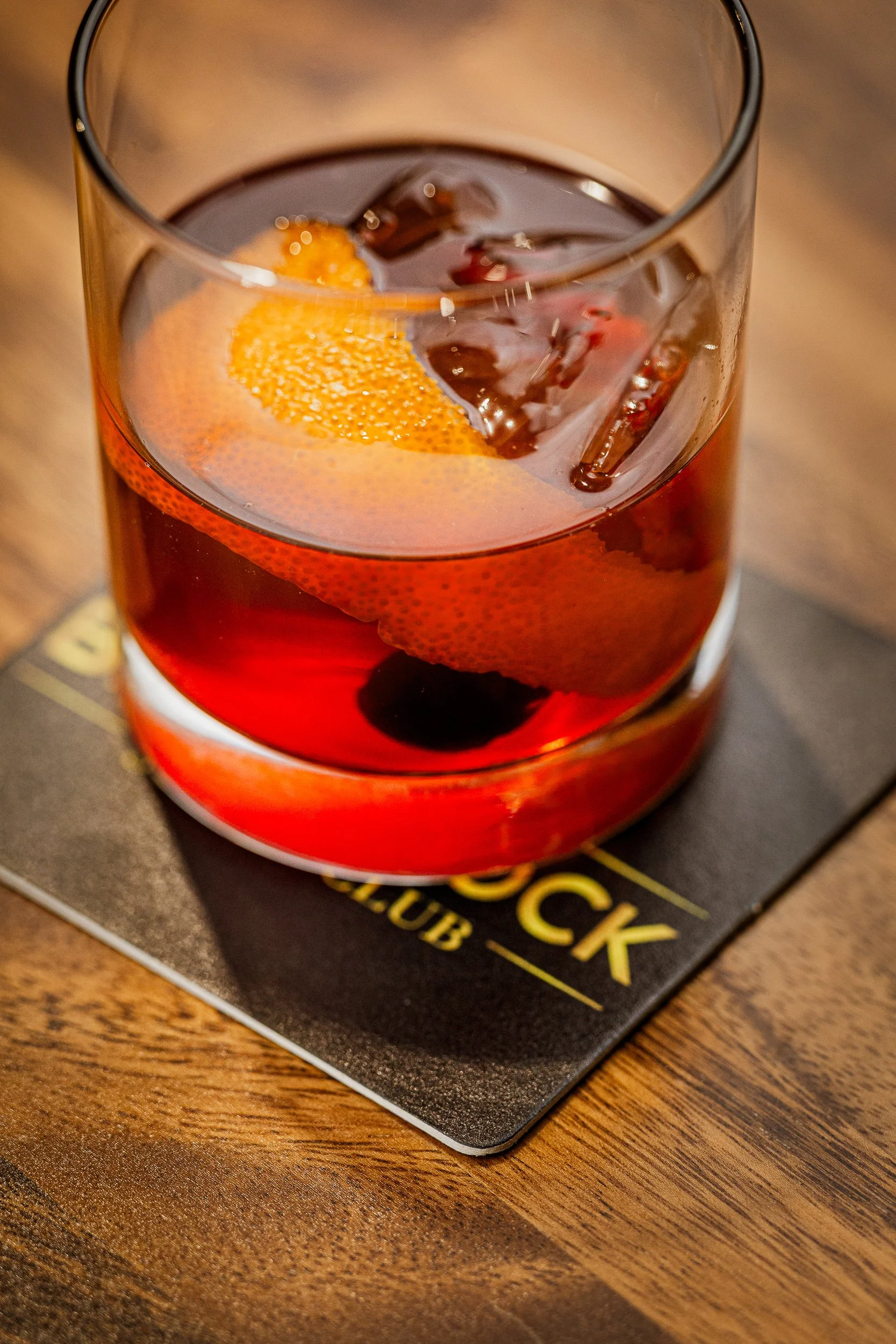
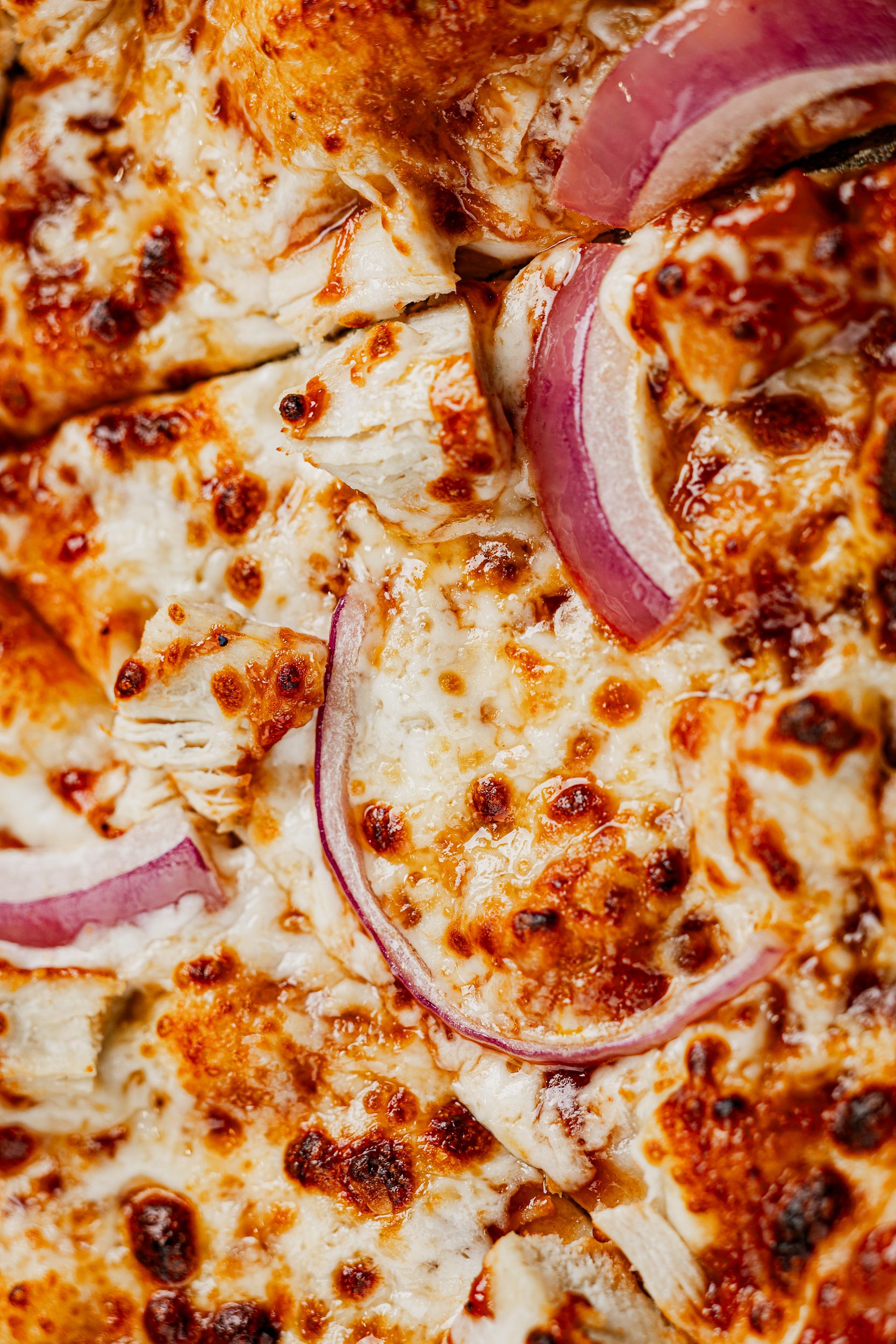
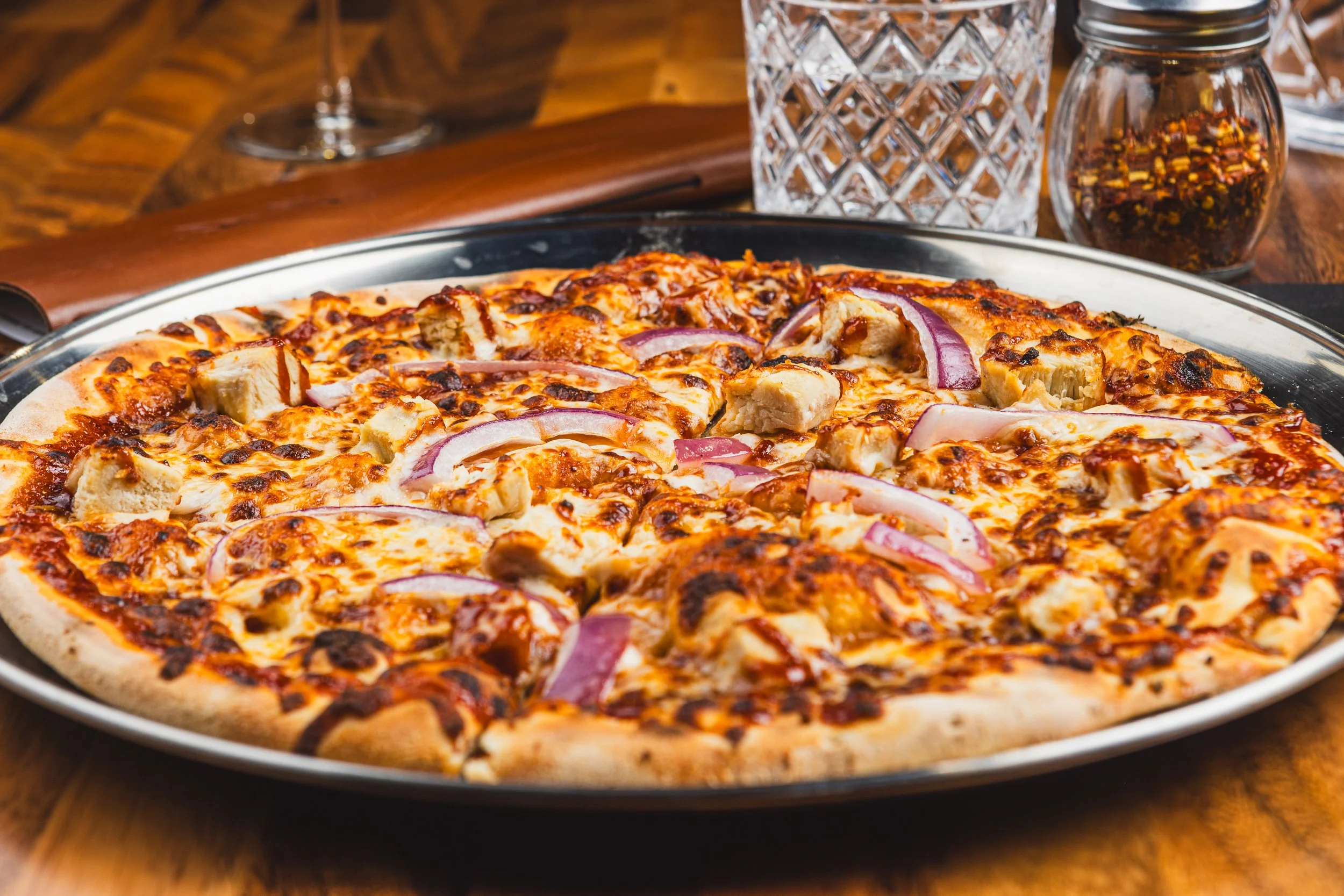
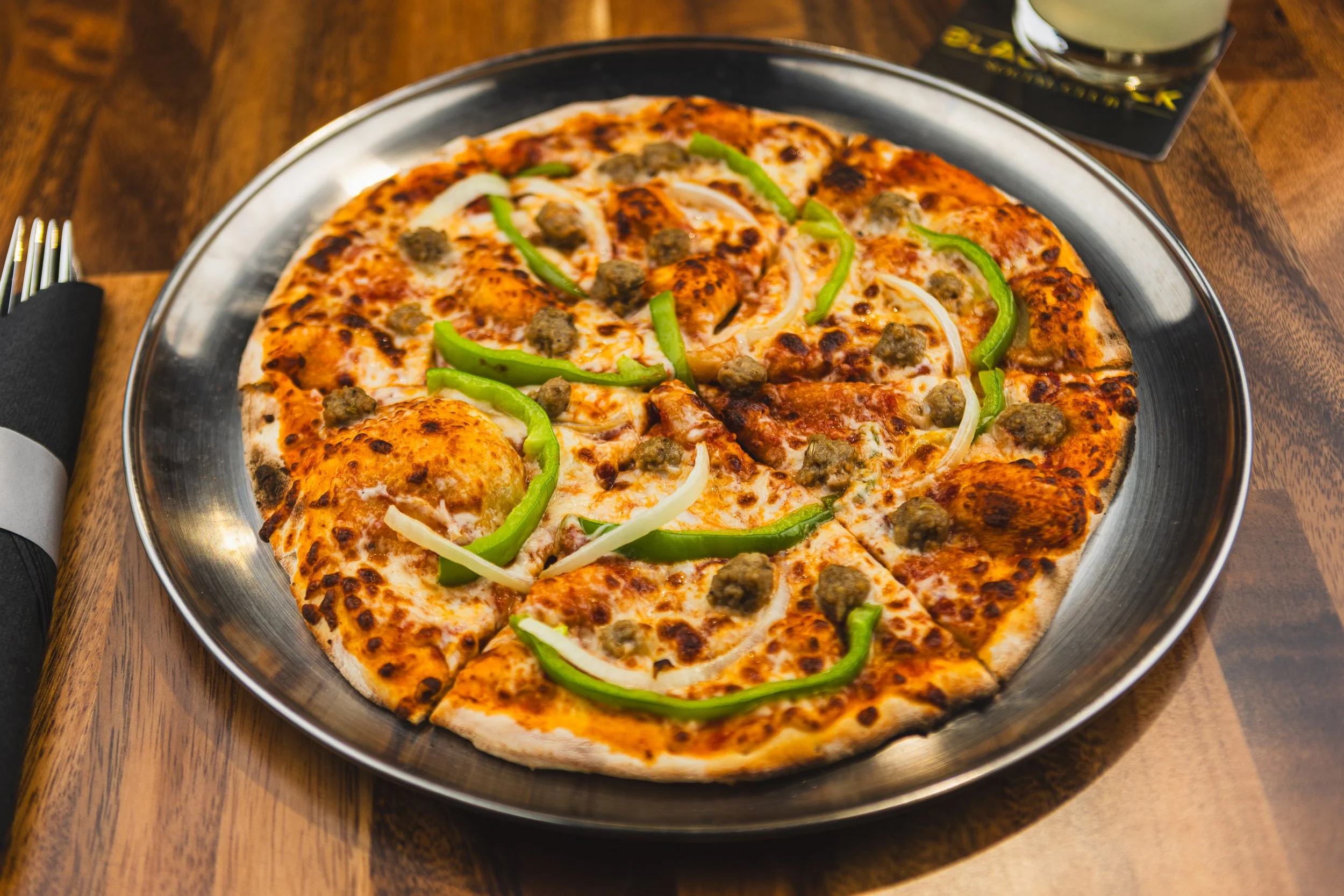
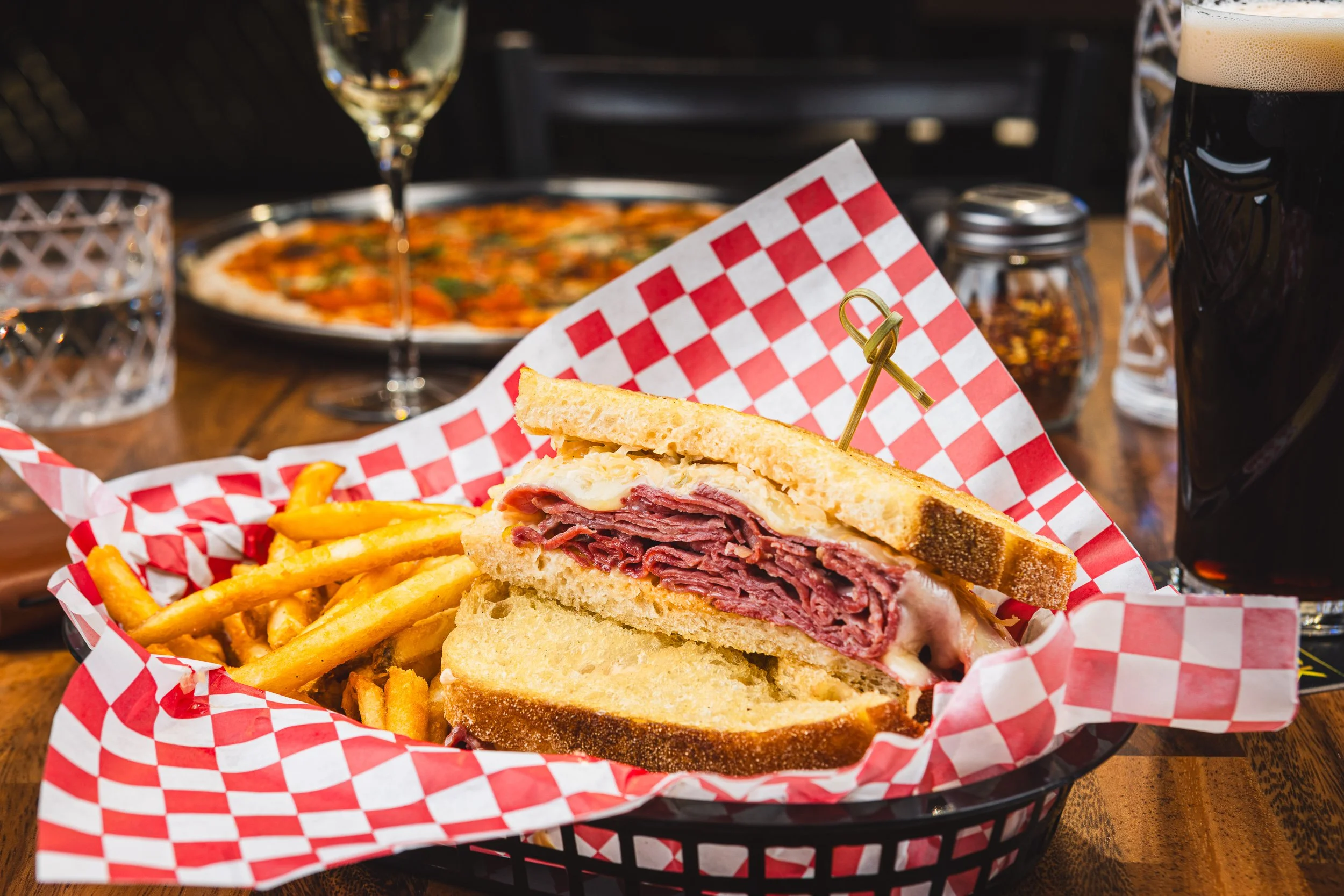
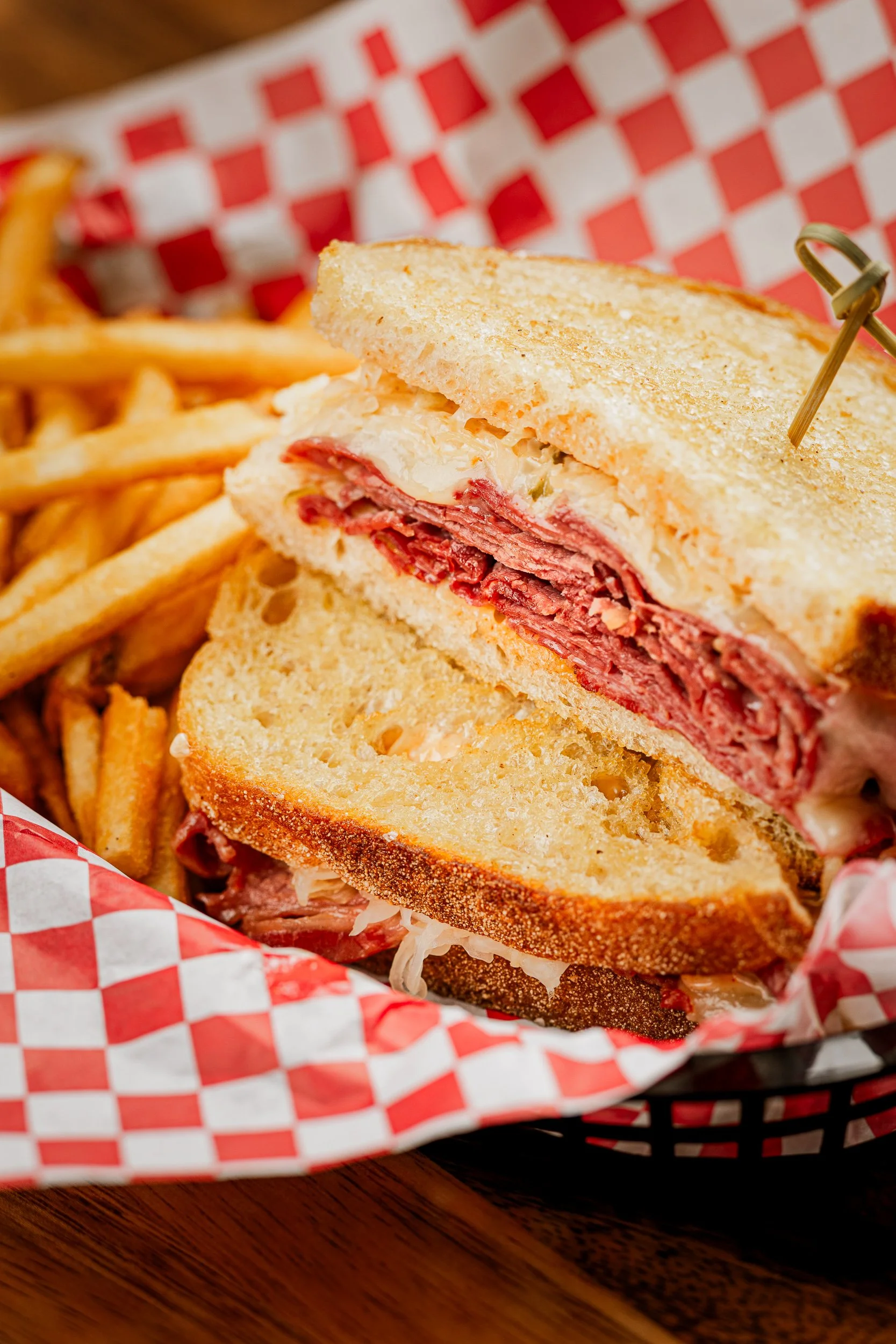
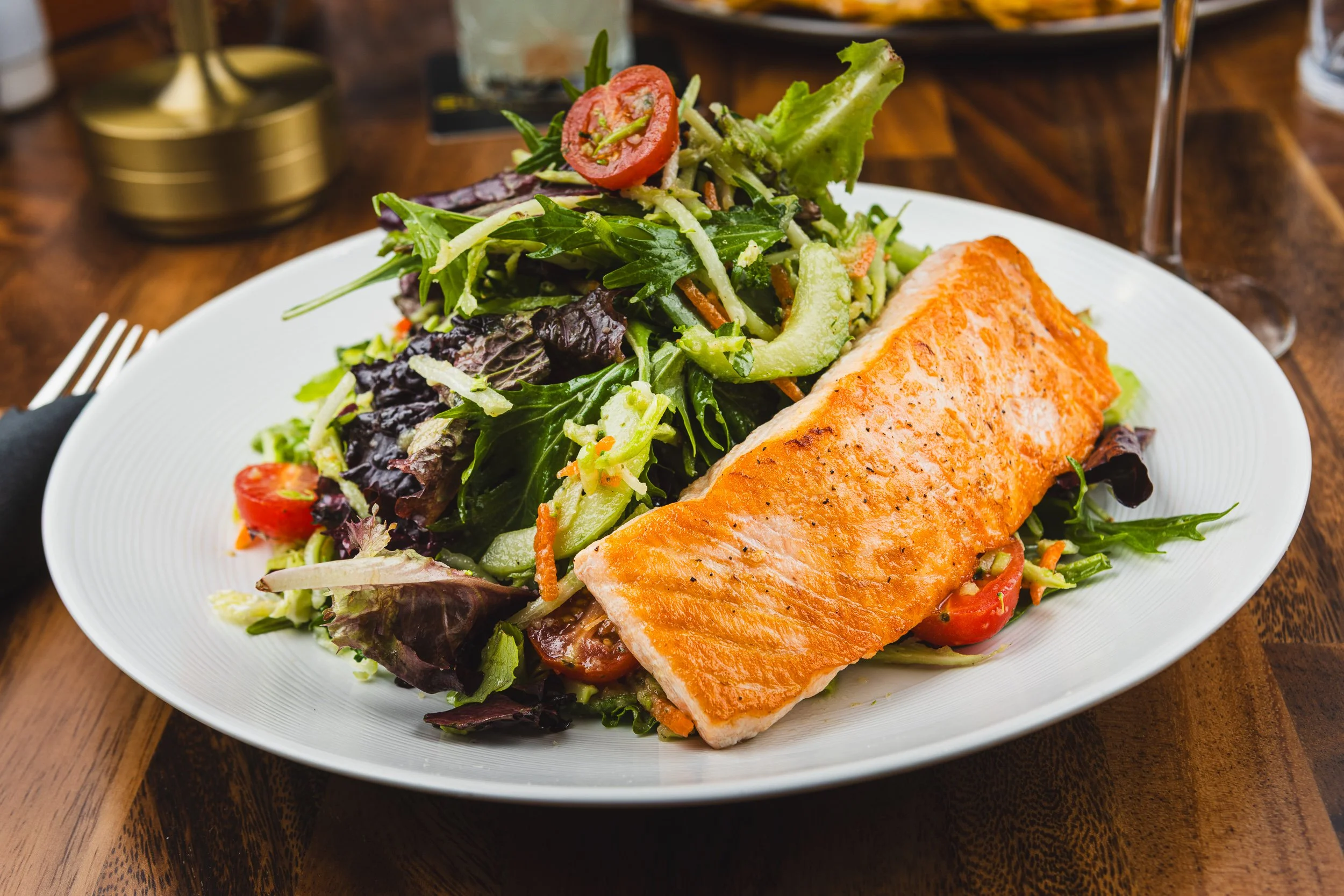
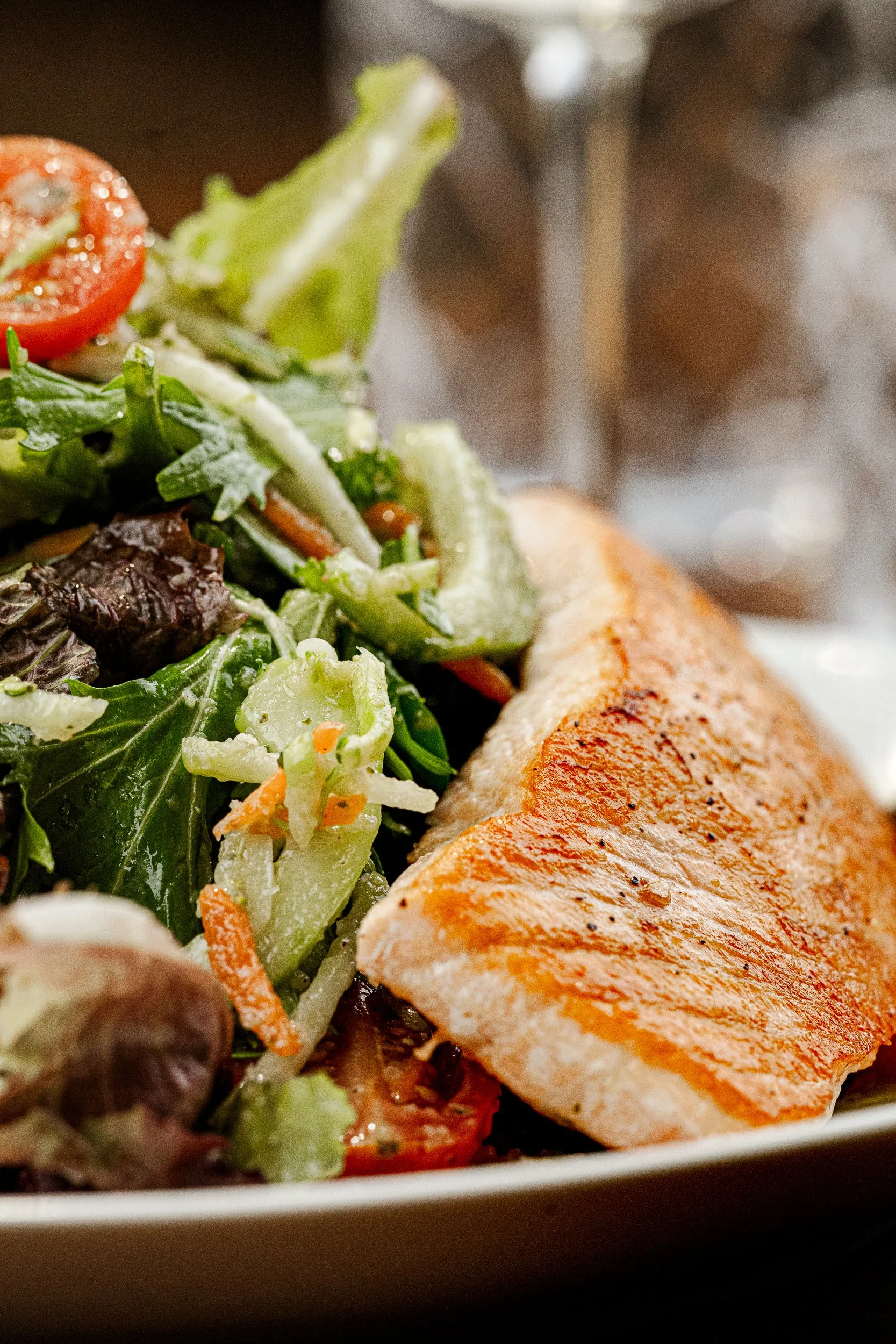
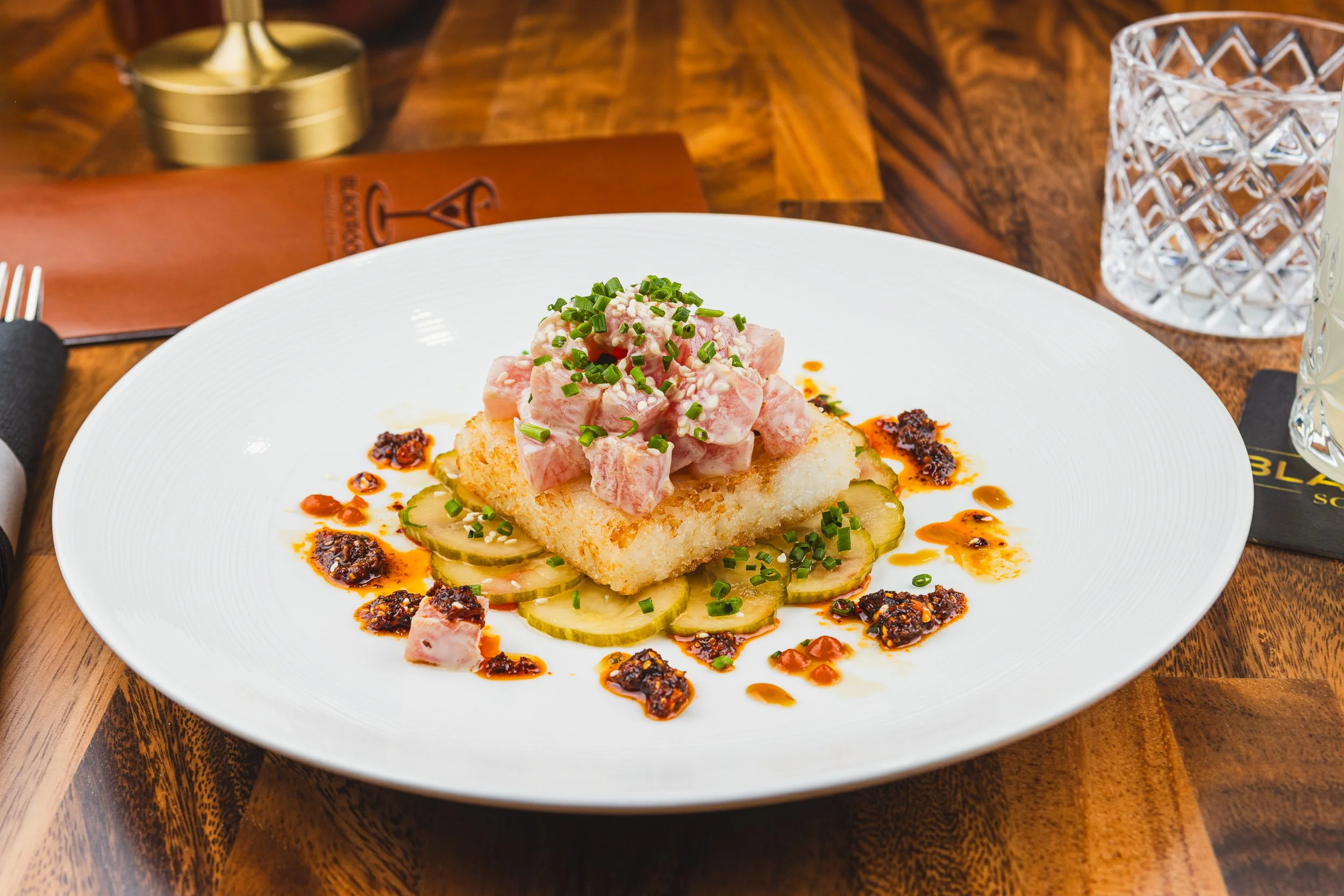
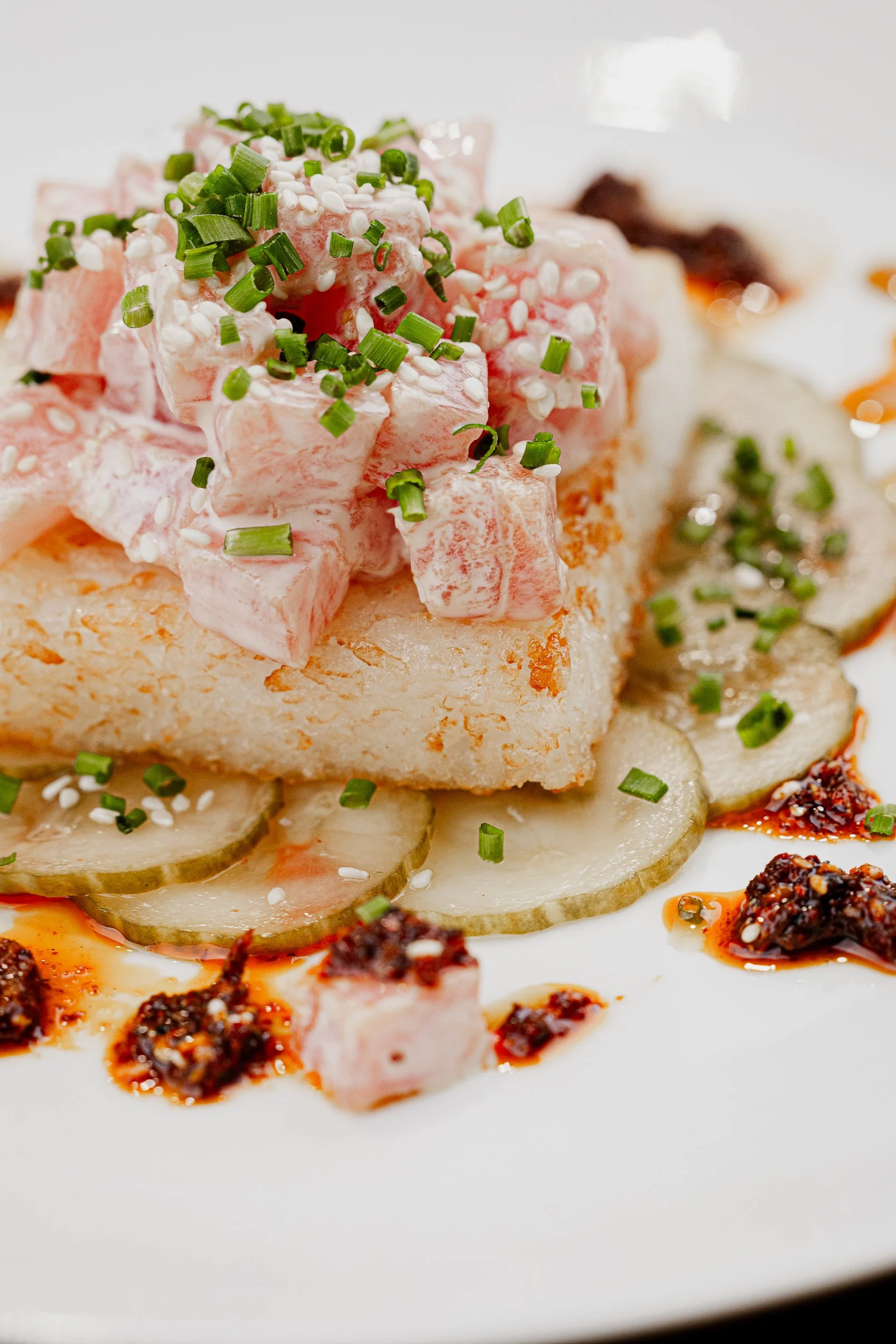
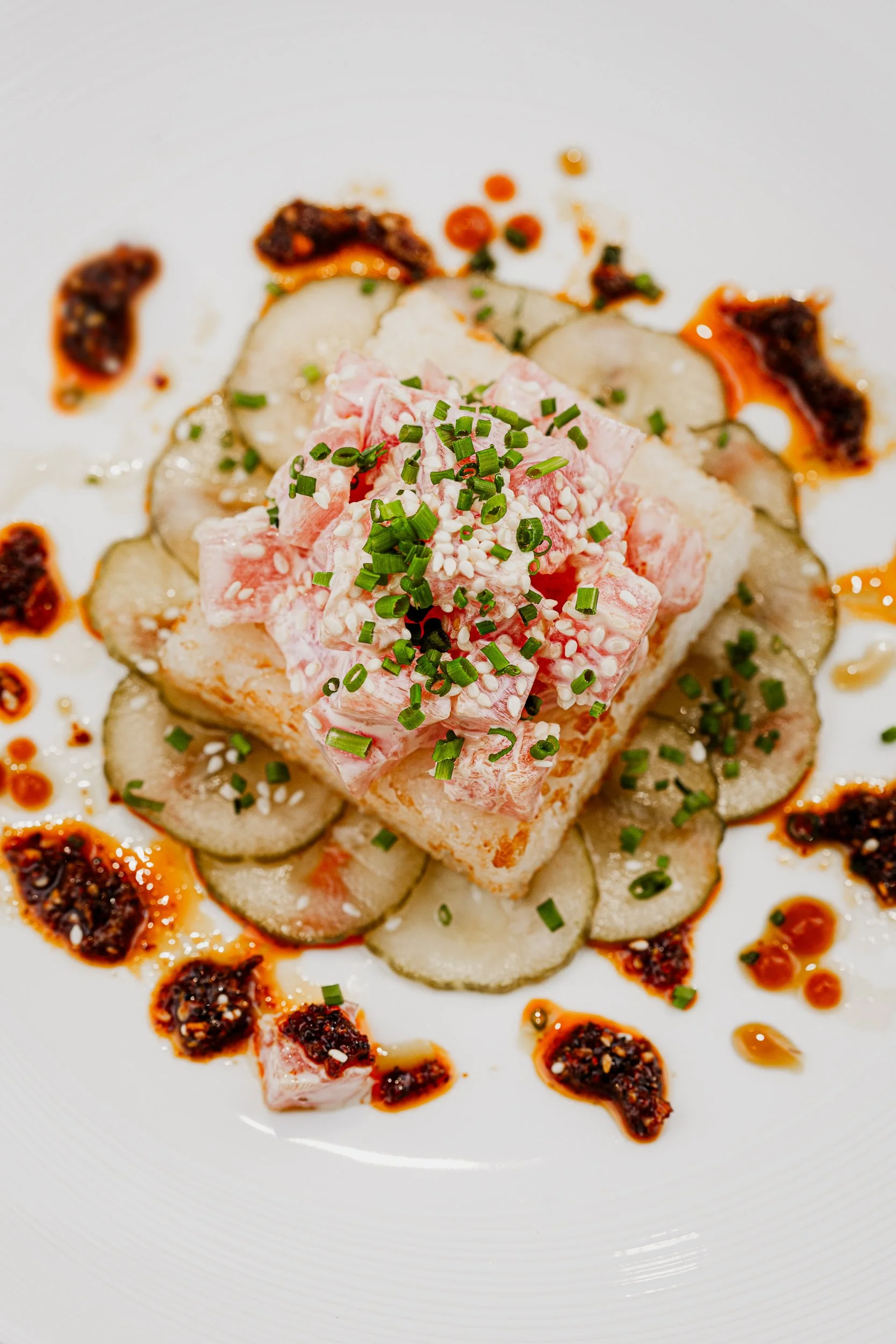
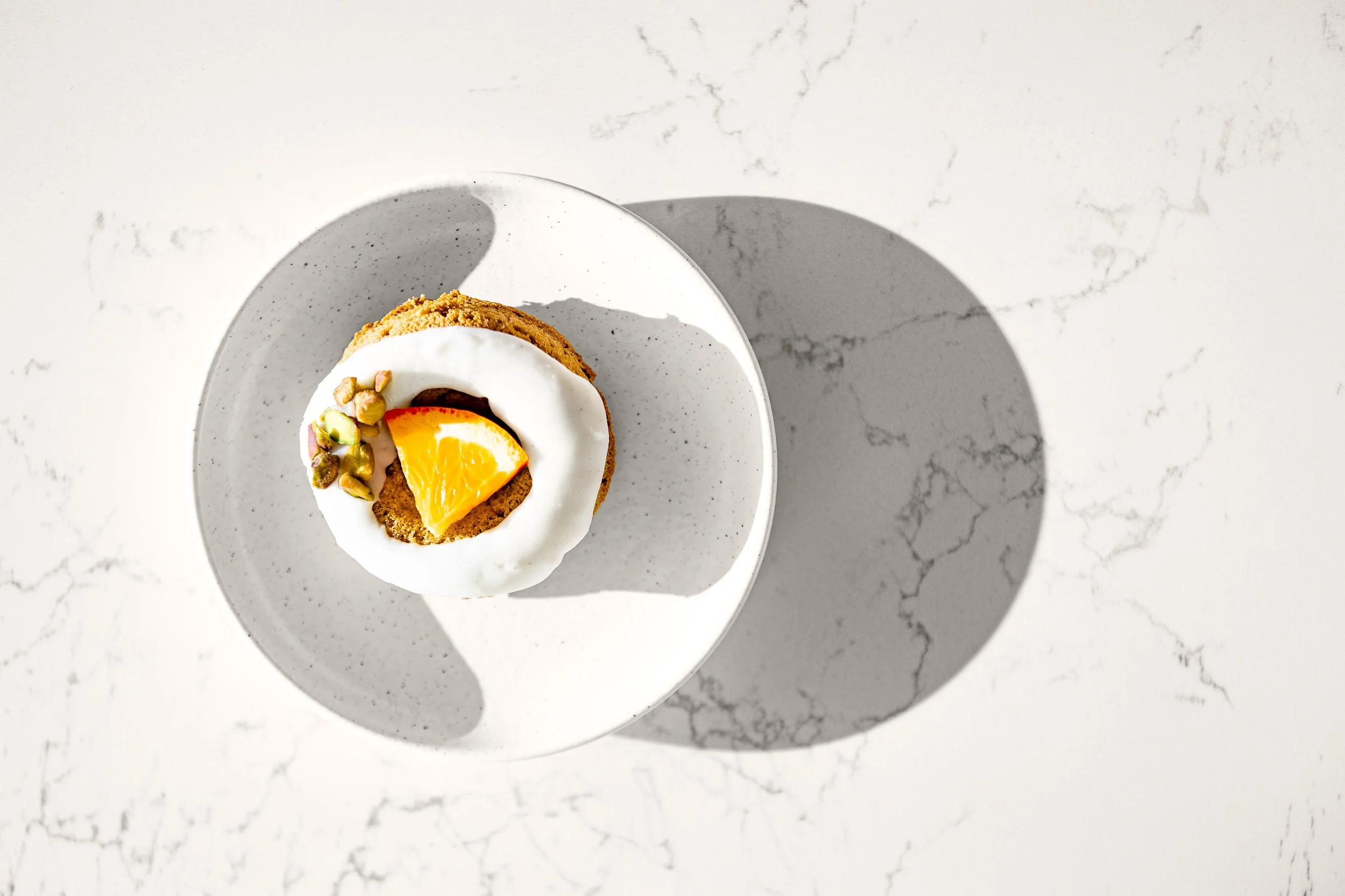
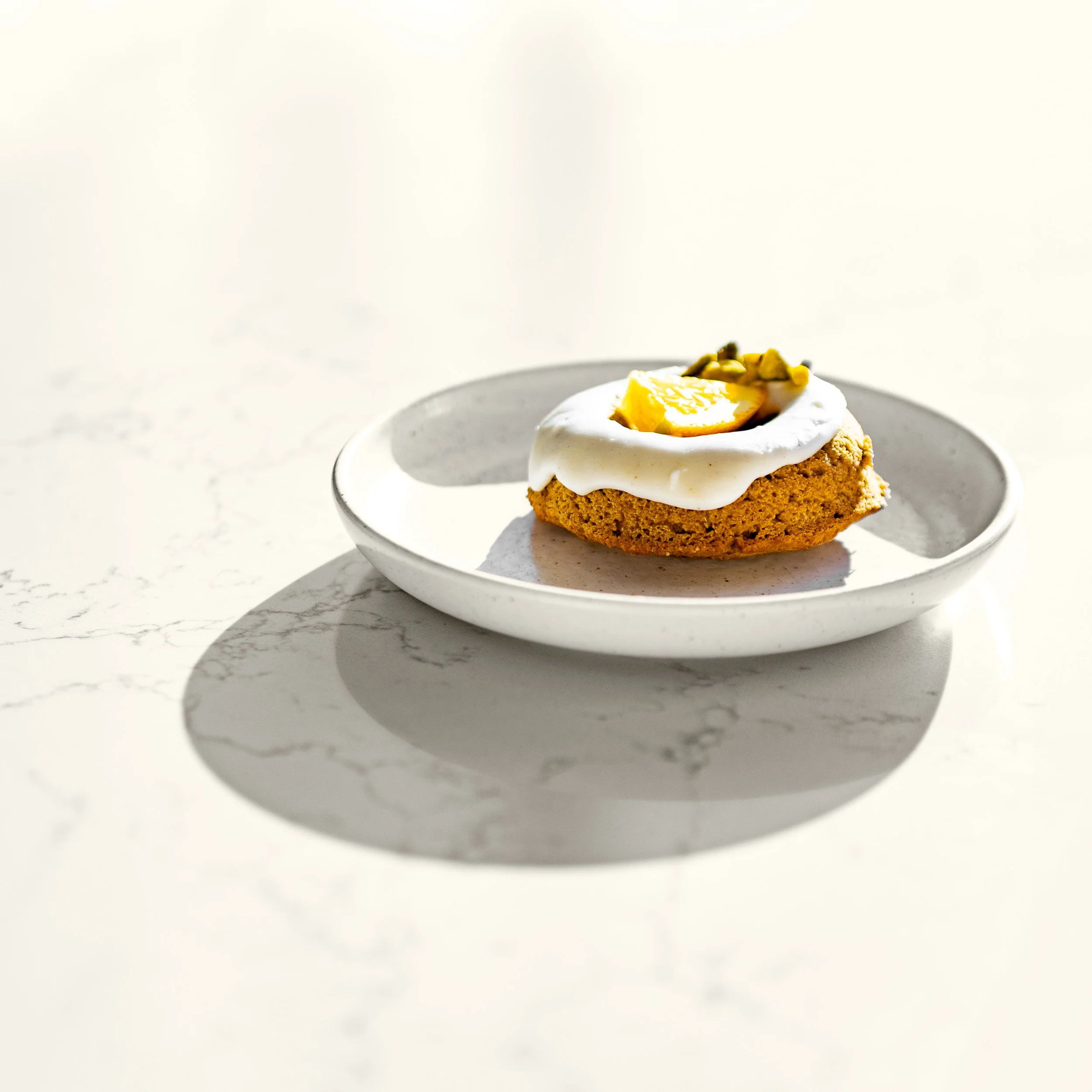
My philosophy for food and product photography is built on one question: Can you feel it? It’s not enough for a viewer to just see your product; I want them to experience the specific textures that make their senses react before they even realize why.
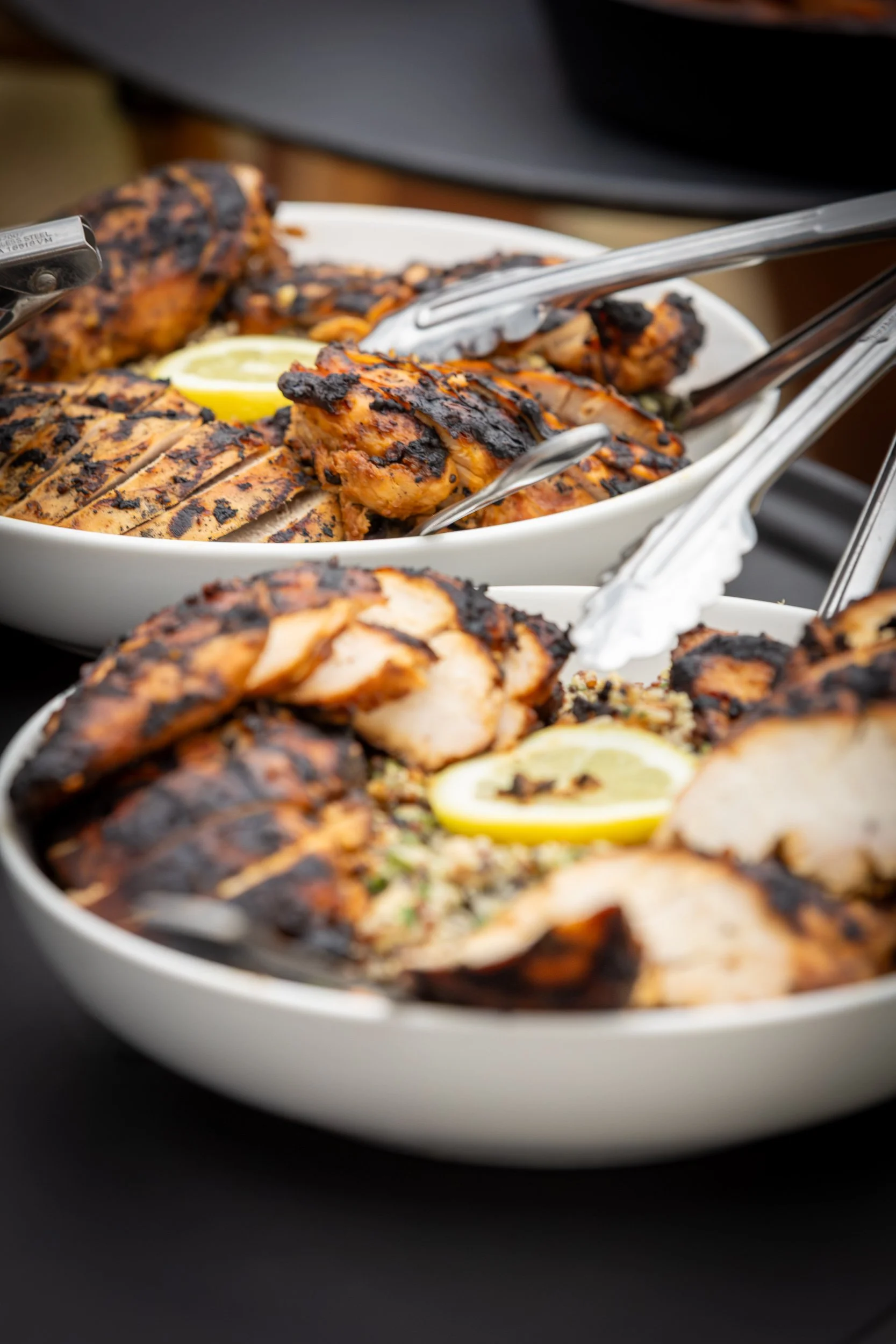
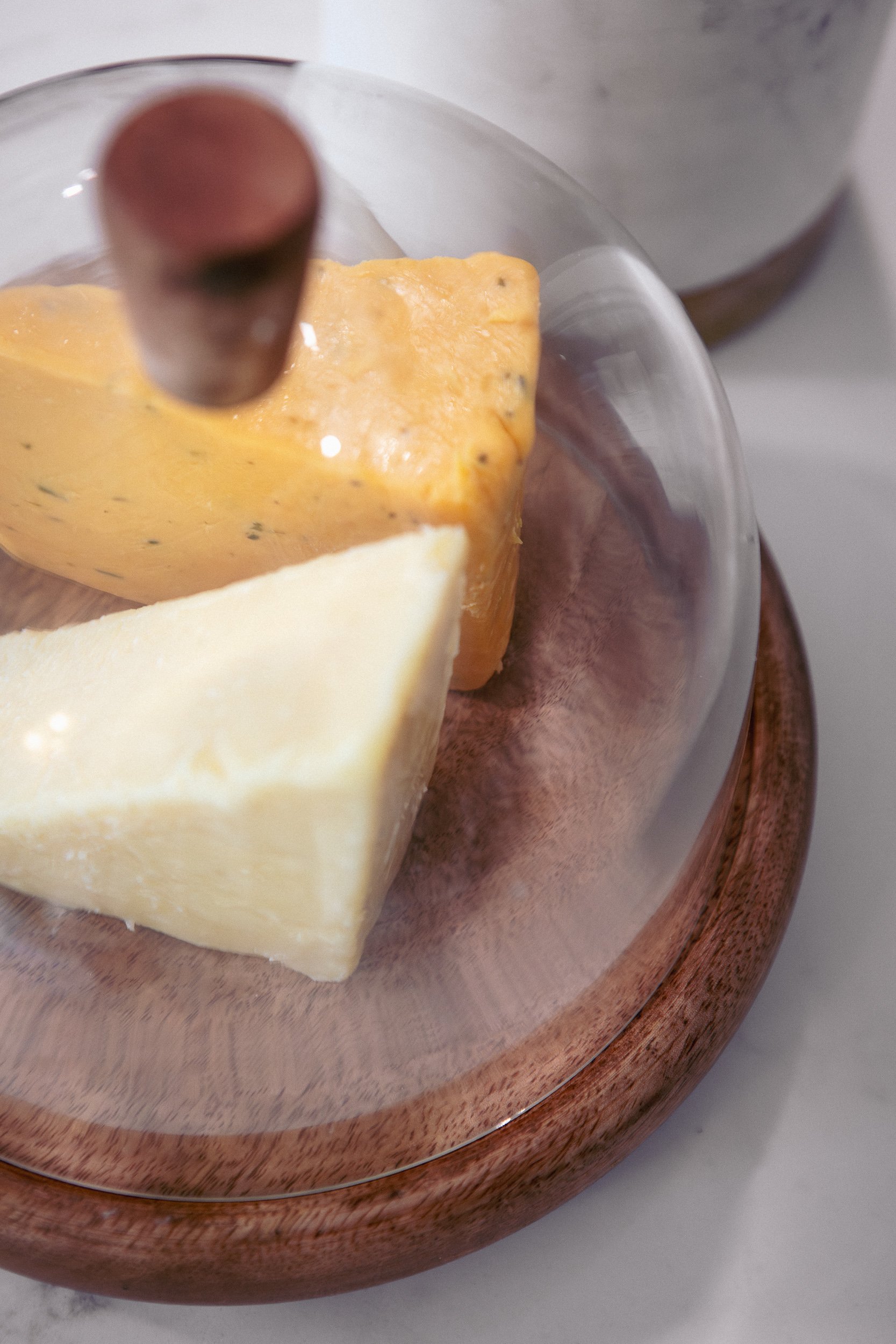
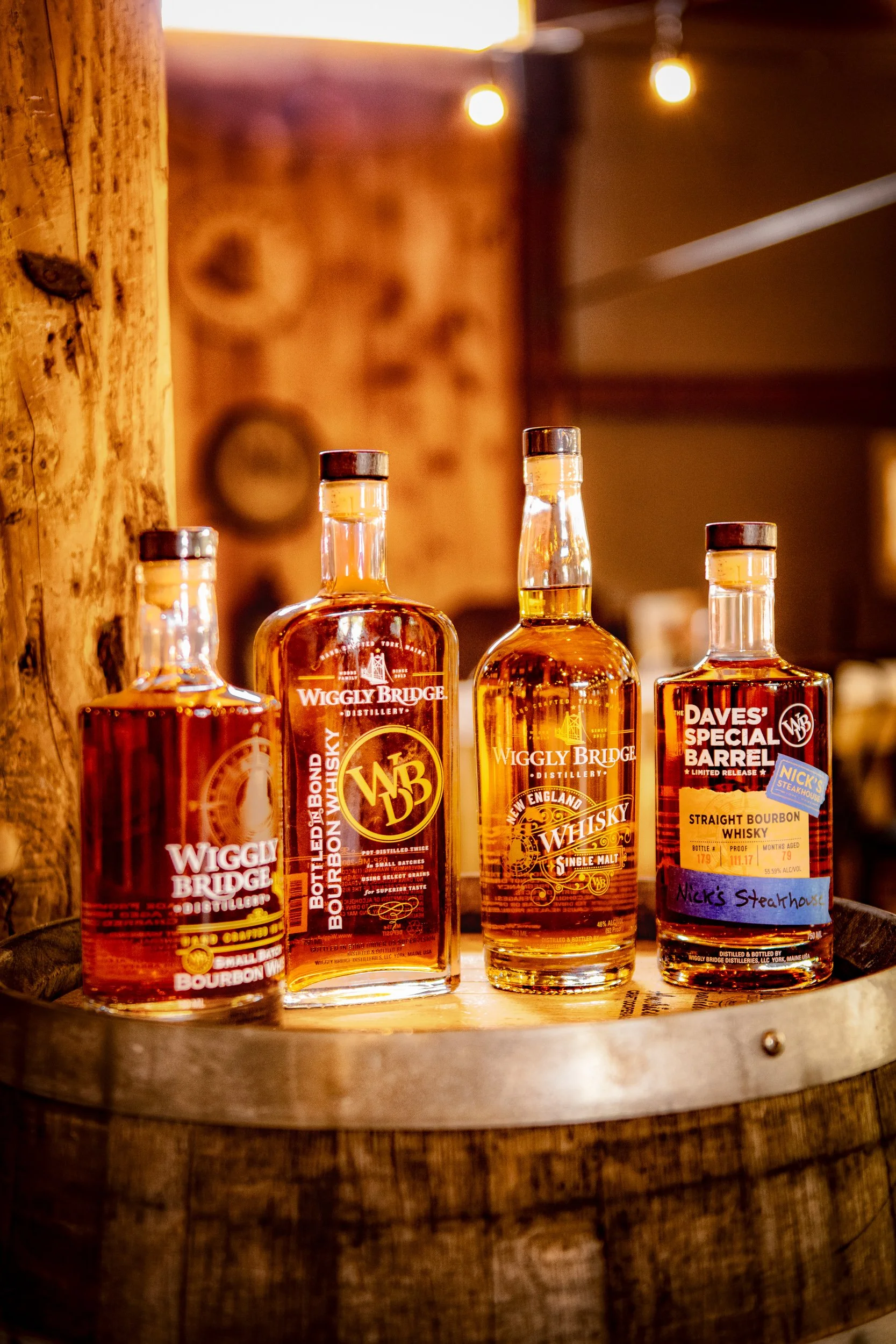
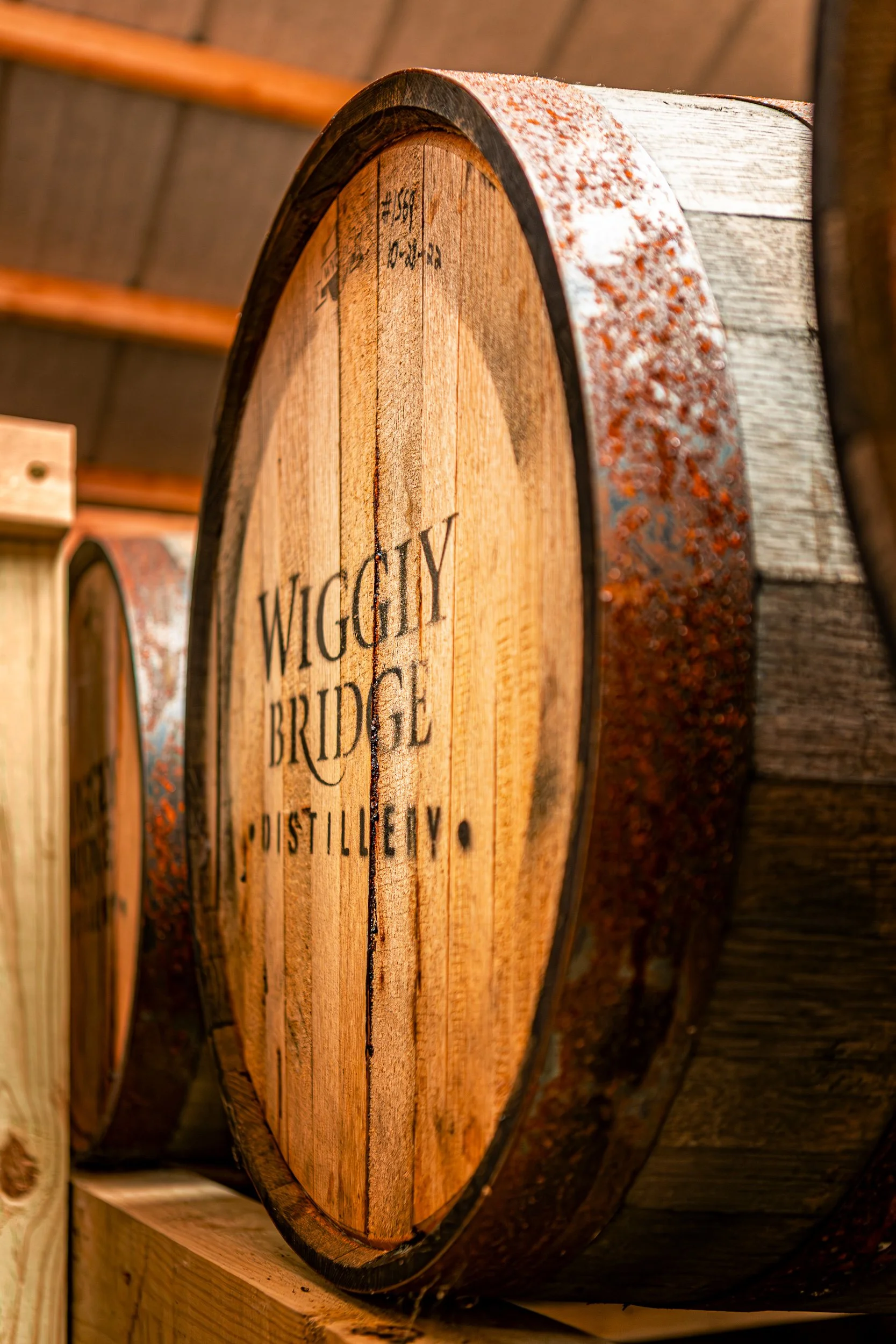
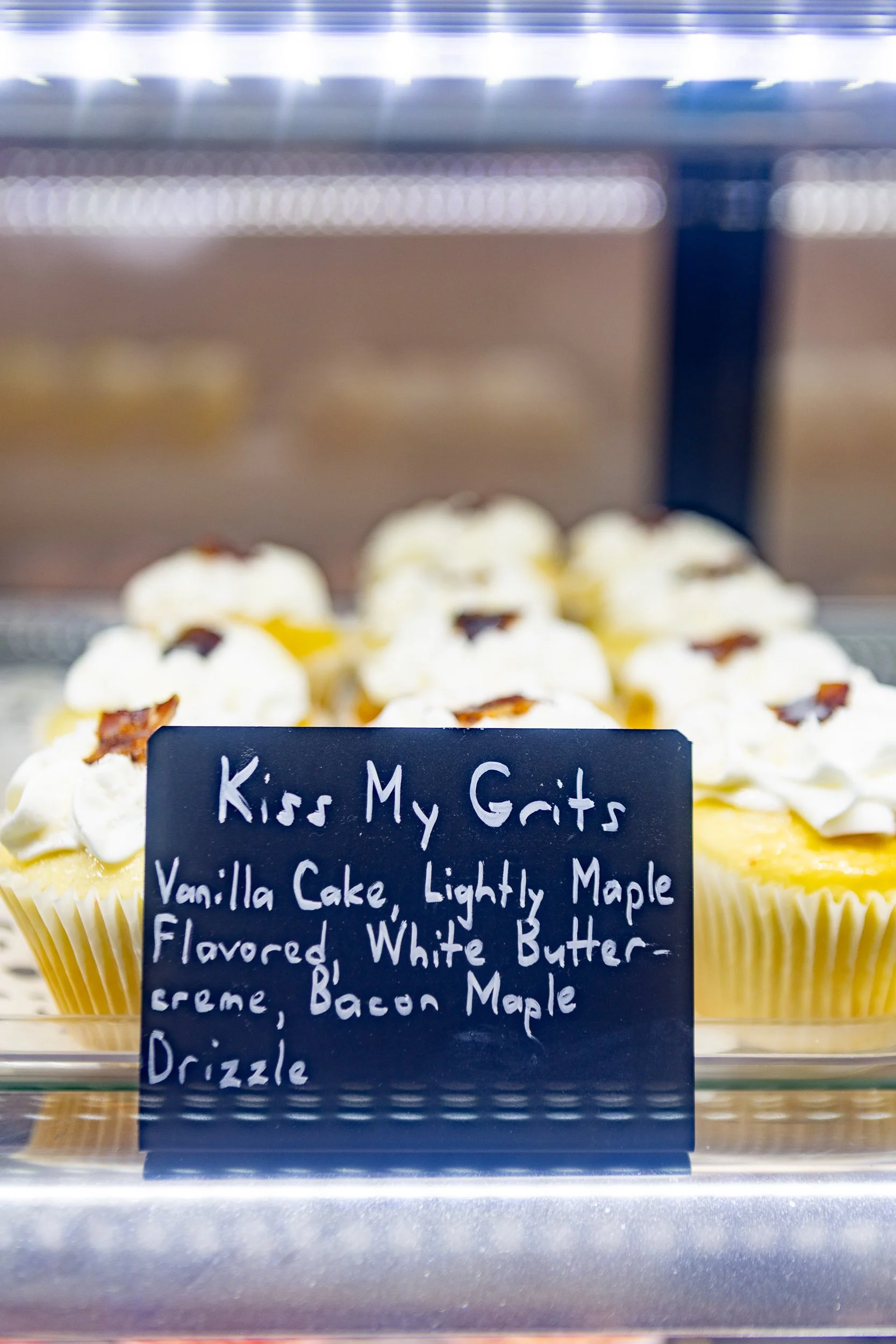
When I’m behind the lens for a food or product shoot, I am hunting for texture. Whether it’s the rugged, aged grain of a Wiggly Bridge whiskey barrel, the crisp, glistening skin of a roasted chicken, or the airy, maple-drizzled frosting on a cupcake, texture is the bridge between a flat image and a physical experience. It’s what makes an audience look at a photo of cheddar cheese under a glass dome and almost feel the weight of the air, or see a stacked burger and immediately sense the crunch of the lettuce.
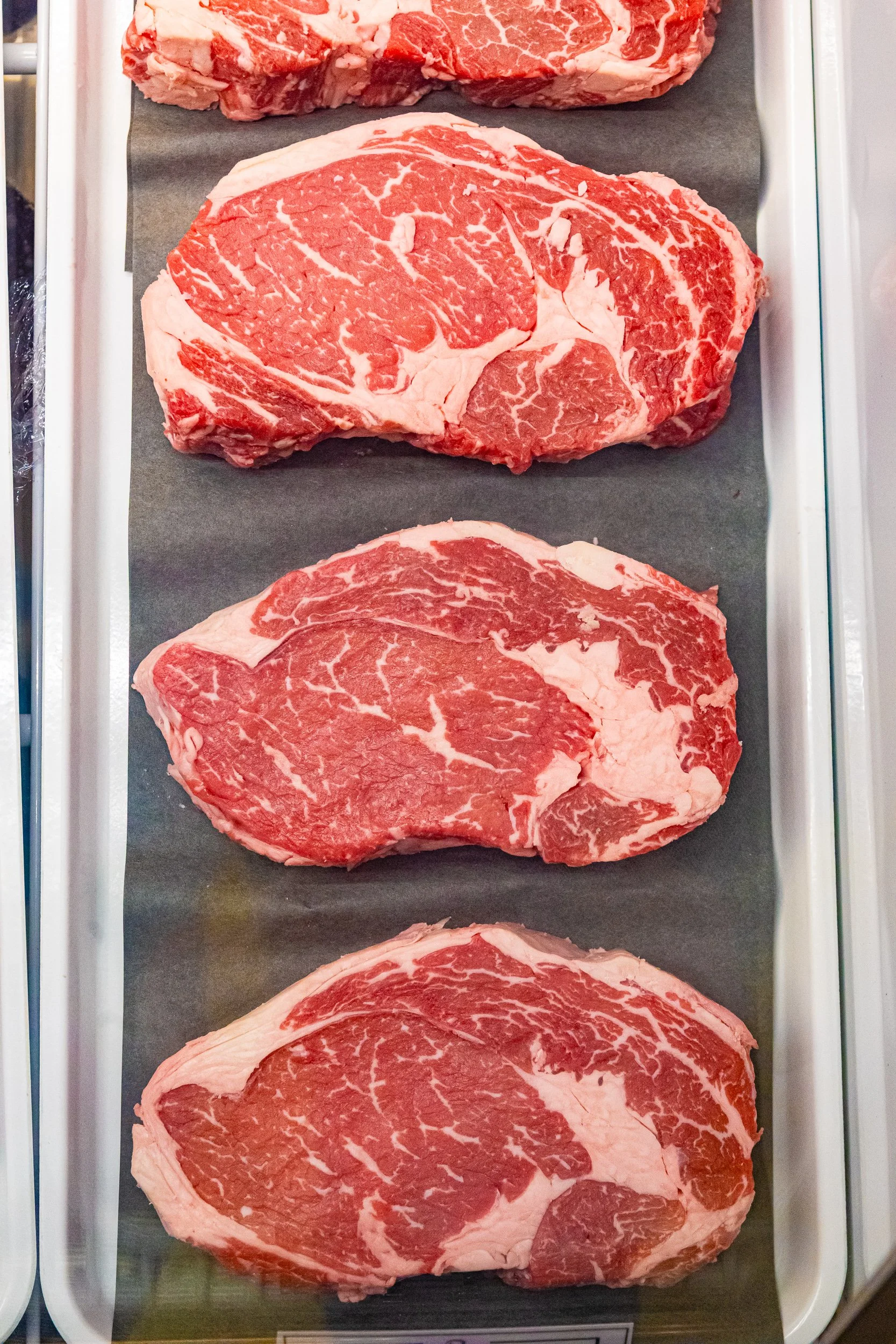
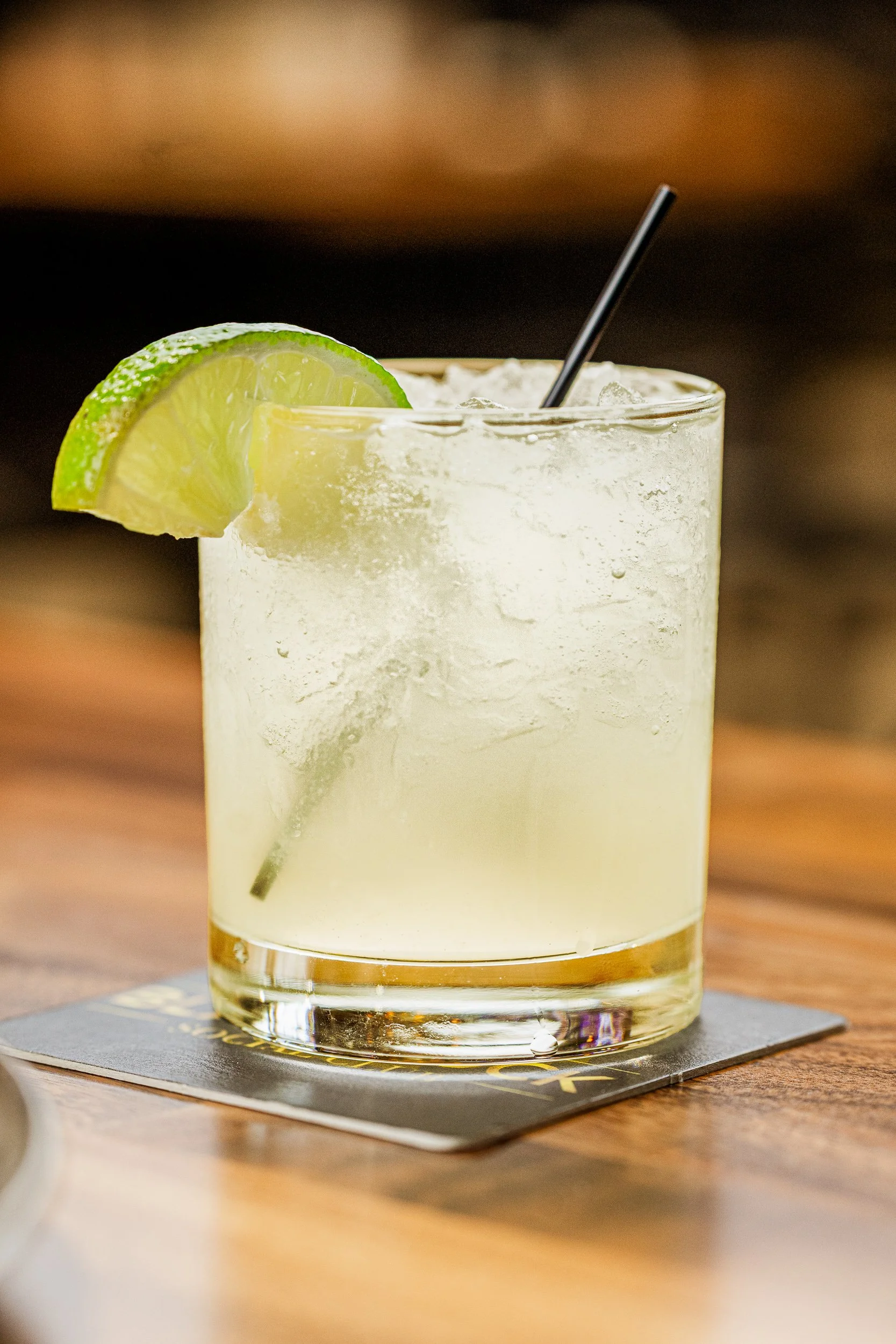
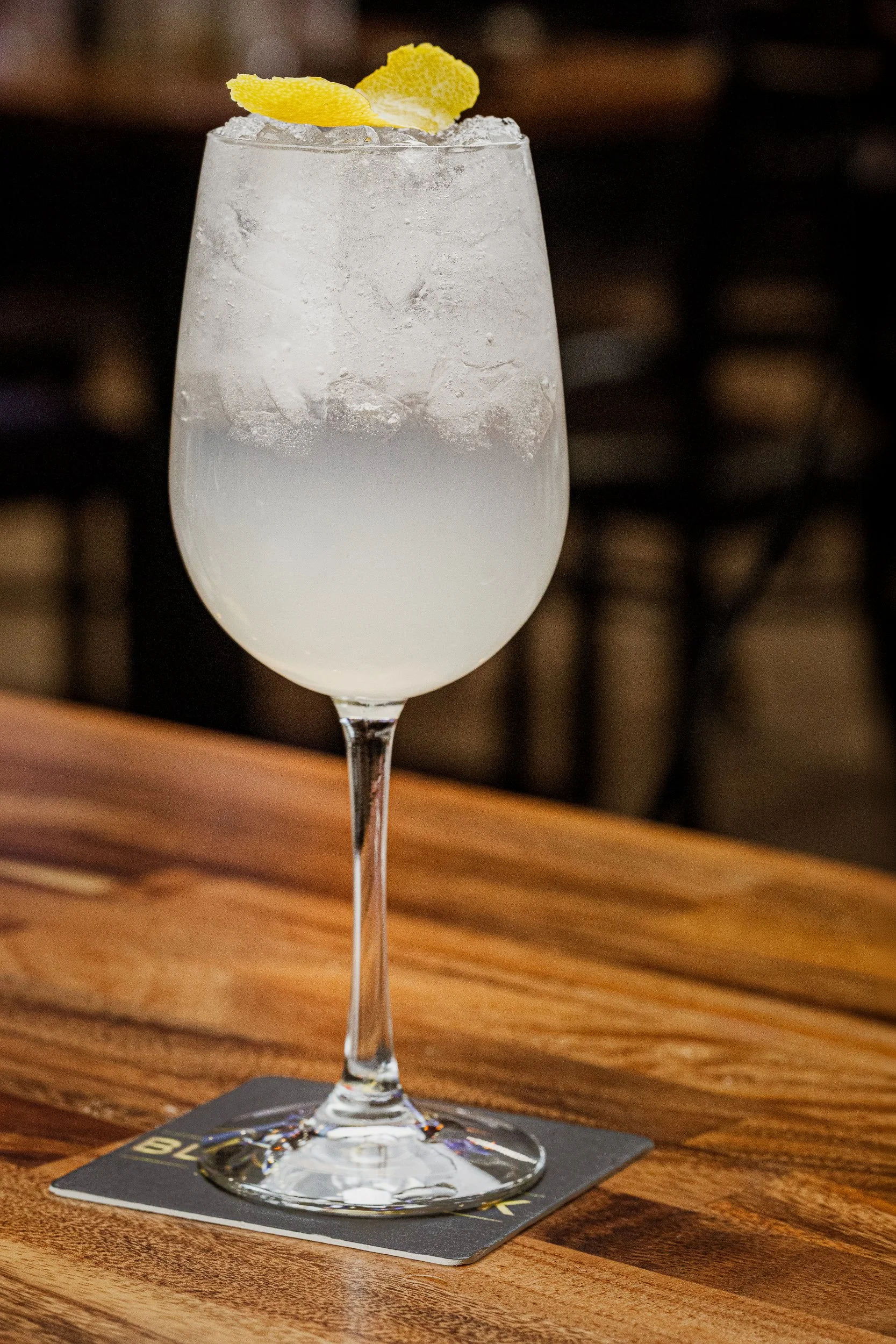
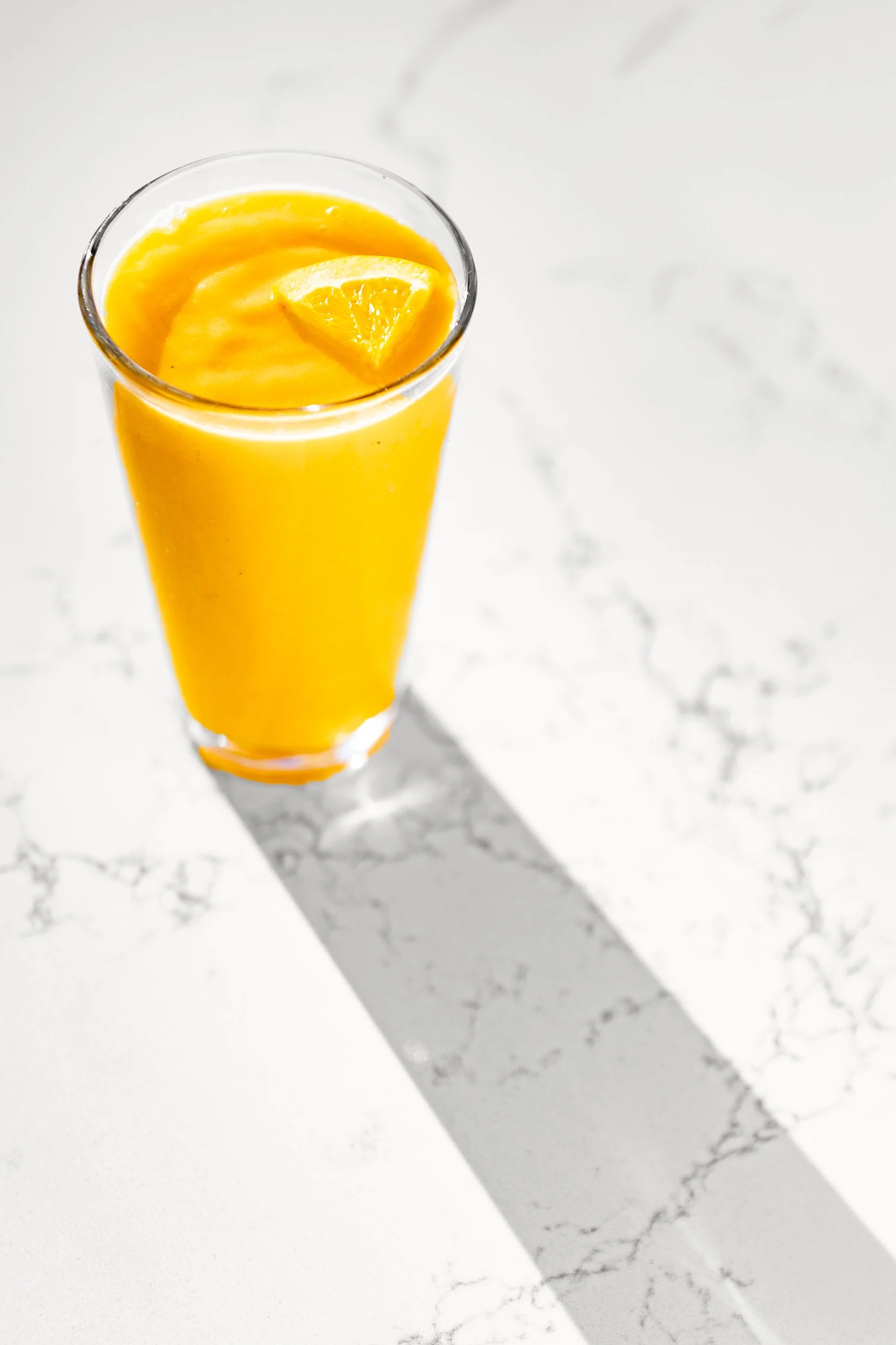
Texture is what keeps an image from looking like "AI slop." In my commercial photography portfolio, I focus on the way light interacts with surfaces—the sharp highlights on a lemonade glass or the deep, inviting shadows in a stack of raw beef steaks. As a food photographer in Portsmouth, NH, I’ve learned that the most successful brand images are those that trigger a tactile memory. It’s about more than just composition; it’s about those "lightning in the veins" moments where the viewer's brain tells them they know exactly what that surface feels like.
This approach is critical for brand photography in New England. From the industrial textures of a workshop to the refined details of a high-end Dover restaurant, my job is to translate the physical world into a digital frame without losing the soul of the materials. Whether I’m working in my Portsmouth studio or on-site at a busy kitchen, I am looking for the grit, the smooth, the sharp, and the soft. It’s these contrasts that give a photo its heartbeat. If a viewer can "feel" the image, they aren’t just looking at your brand—they are already connected to it.
food photography nh / product photographer portsmouth / brand photography / commercial portfolio